
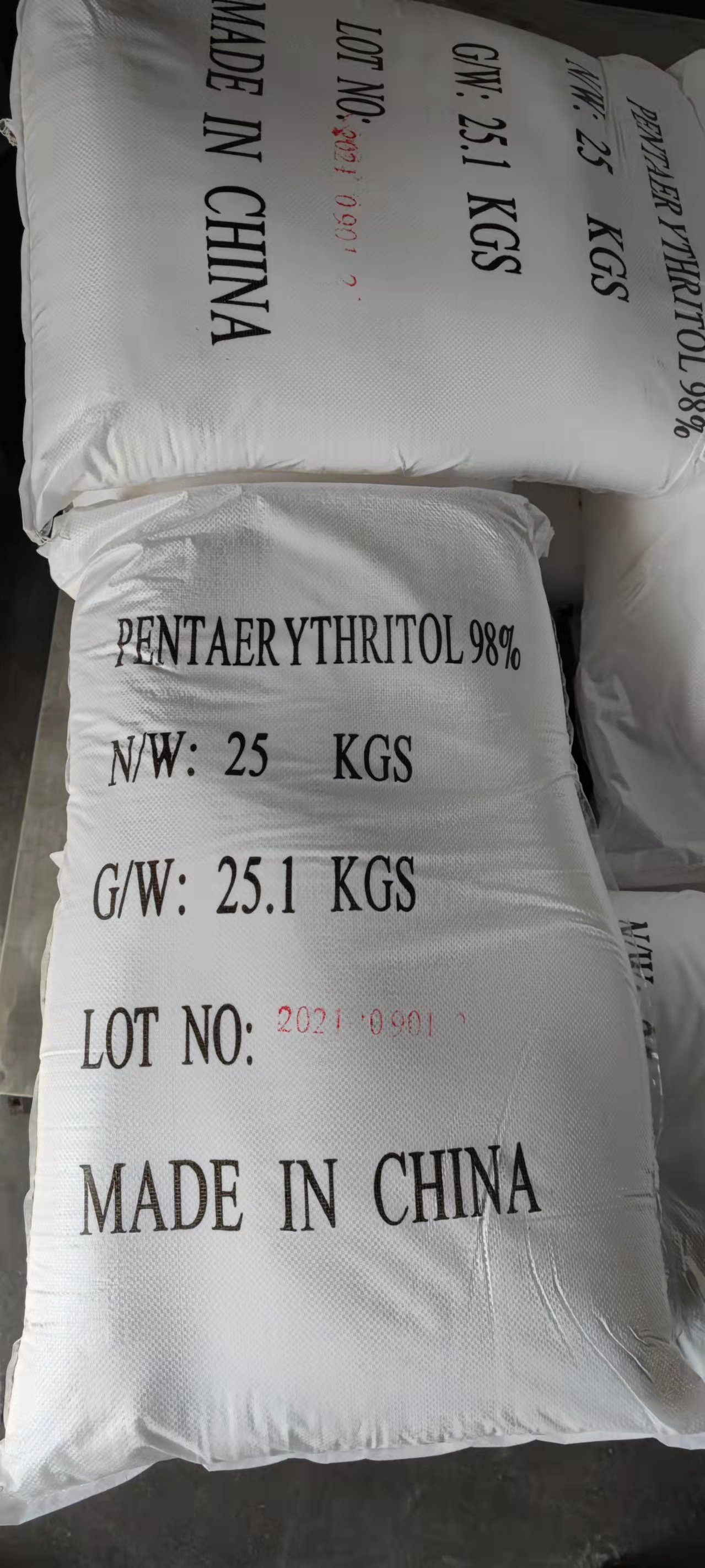
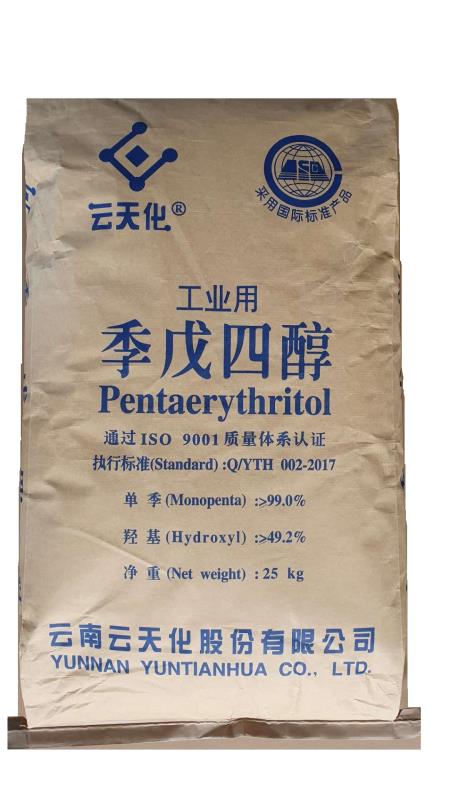
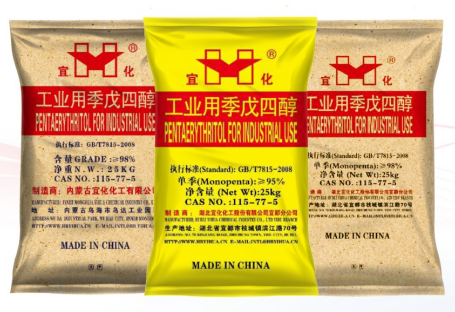
CAS:115-77-5
Molecular Formula:C5H12O4
Alias
More Information
2,2-Bis(Hydroxymethyl)-1,3-Propanediol; 2,2-Bis(Hydroxymethyl)Propane-1,3-Diol; Tetrakis(Hydroxymethyl)Methane; Monopentaerythritol; Pentaerithritol; Pentaerythritol98
Brief Introduction
Pentaerythritol, as a quaternary alcohol, is easy to be esterified to form acids and esters, so it is mostly used as raw material of alkyd resin coatings, mainly used as building coatings and automotive primer. Pentaerythritol tetranitrate can be obtained by esterification of pentaerythritol and concentrated nitric acid at 5 ~ 15 ℃ in industry. It is a kind of high-performance and strong explosive with higher explosive power than TNT. It is often used as booster or mixed with TNT. It was used extensively in the Second World War. It is a long-acting vasodilator and can treat angina pectoris. Pentaerythritol rosin ester can be prepared by the reaction of pentaerythritol and rosin acid. It can be mixed with dry oil to obtain a coating with good hardness, water resistance and weather resistance. It can be used for varnishes, floor inks, etc. An alkyd resin coating can be prepared by esterification polycondensation of pentaerythritol or glycerin with phthalic anhydride and fatty acid. The properties of alkyd resin can be improved by using different kinds and different amounts of fatty acids, making it suitable for various needs of coatings. It is widely used as metal, wood surface coating, for bridges, railways, derricks, housing construction and other commonly used industrial paint and architectural paint. Alkyd resin has developed rapidly since it entered industrial production in 1927 due to its low price, easy availability of raw materials, easy modification, strong adaptability and good comprehensiveness.
Suppliers
View More Vendors (4) >

CAS:118-90-1
Molecular Formula:C8H8O2
Alias
More Information
O-Methylbenzoic acid; 2-Methyl-Benzaldehyd-Diaethylacetal; o-Tolualdehyde Diethyl Acetal; 2-Methylbenzoic Acid; Ortho-Methylbenzoic acid; o-Toluenecarboxylic acid; Toluenecarboxylic acid; 2-Methyl-Benzaldehyd-Diethylacetal; 2-Toluic acid; Methylbenzoic acid
Brief Introduction
It can be used in organic synthesis intermediate, pesticide industry to produce fungicide phosphoramide, perfume and film.
Suppliers
View More Vendors (4) >
CAS:121-33-5
Molecular Formula:C8H8O3
Alias
More Information
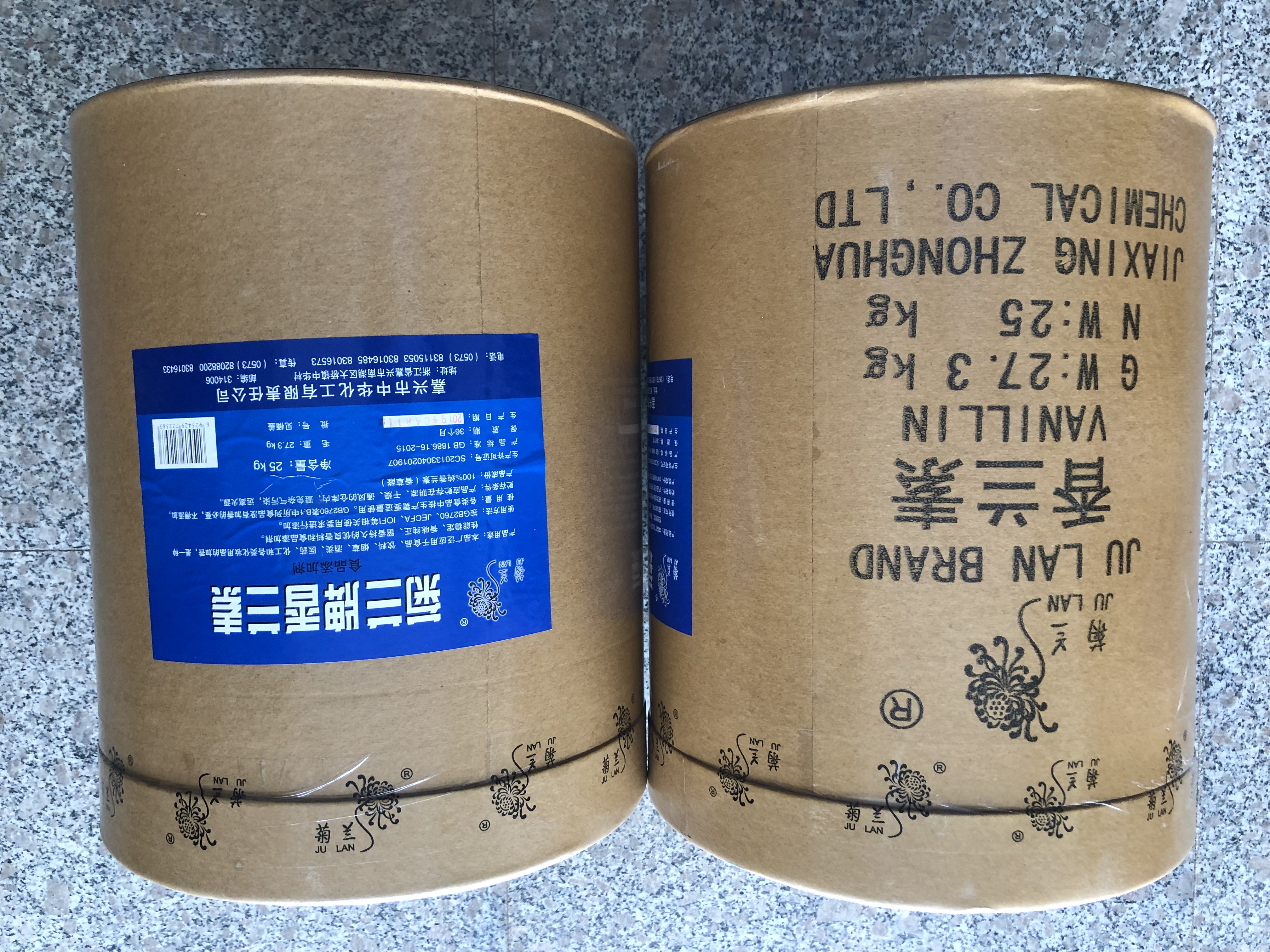
Rhovanil; Vinillin; 4-Hydroxy-3-Methoxybenzaldehyde; 3-Methoxy-4-Hydroxy-Benzaldehyde; Vanilin; Fema 3107; Zimco; Vanilla; Reference Source: Negwer; Benzaldehyde, 4-Hydroxy-3-Methoxy-; Methyl Vanillin; Vanillin (Contains H2So4) Ethanol; 4-Oxy-3-Methoxybenzaldehyde; Lioxin; Vanilline; Vanillic Aldehyde
Brief Introduction
This product has strong milk fragrance and sweet fragrance, is one of the most important food additives, and also widely used daily flavor. It is widely used in candy, ice cream, beverages, pastries, chocolate and bread, biscuits, tobacco, wine and other kinds of food. It can also be used in various daily chemicals such as soap, toothpaste, perfume, cream and so on, as well as for medicine, reagents, electroplating, chemical rubber, plastics and so on.
Suppliers
View More Vendors (4) >

CAS:121-73-3
Molecular Formula:C6H4ClNO2
Alias
More Information
M-Chloronitrobenzene; 3-Nitrochlorobenzene; META Nitro Chloro Benzene; M-Nitrochlorobenzene; 3-Chloronitrobenzene; Nitrochlorobenzene
Brief Introduction
This product can be used to manufacture m-chloroaniline, azo dye, pigment, medicine, insecticide, etc.
Suppliers
View More Vendors (4) >
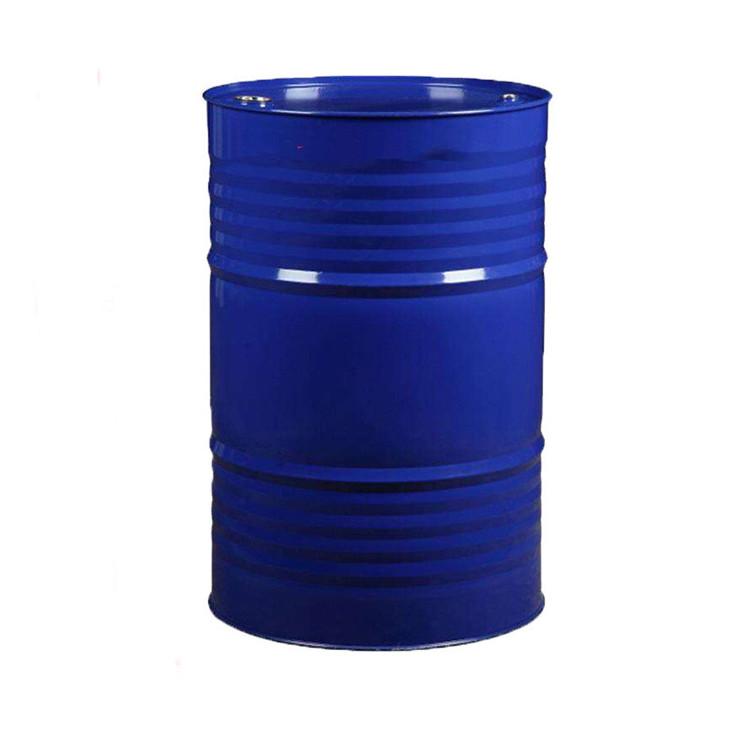
CAS:123-31-9
Molecular Formula:C6H6O2
Alias
More Information
1,4-Benzenediol; Quinol; Hydroxyquinone; Hydrochinone; 1,4-Dihydroxybenzene; Docetaxel; 1,4-Dihydroxyanthone; 1,4-Dihydroxyanthron; 1,4-Dihydroxy-Benzene; 1,4-Dihydroxy-Benzol; 1,4-Dihydroxy-Xanthen-9-On; 1,4-Dihydroxy-Xanthen-9-One; 1,4-Dihydroxyxanthon; 9H-Xanthen-9-One,1,4-Dihydroxy; P-Benzenediol; P-Dihydroxybenzene
Brief Introduction
Produced as an inhibitor, an antioxidant, and an intermediate in the synthesis of dyes, motor fuels, and oils; in photographic processing; and naturally in certain plant species, Hydroquinone is a phenol derivative with antioxidant properties that can cause toxicity in several organs, notably the kidney. Used as a topical treatment for skin hyperpigmentation and in various cosmetic products, it is metabolized mainly to glutathione conjugates and forms mutagenic DNA adducts in in-vitro systems.
Suppliers
View More Vendors (4) >
Inquiry (
10
/ 10
)
Clear All
Sign In
Error!