
Pharmaceutical Raw Materials
Veterinary API
Antiallergic Drugs
Hormones and Endocrine Drugs
Drug Metabolism
Pharmaceutical Intermediates
Synthetic Anti Infective Drugs
Specialty Drugs
Vitamins and Minerals Medicines
Feed Drug Additive
Antineoplastic Agents
Nervous System Drugs
Respiratory Drugs
Diagnostic Agents
Anti Stress Drugs
Antipyretic Analgesics
Antiparasitic Drugs
Circulatory System Drugs
Biochemicals
Blood System Drugs
Immune System Medication
Pharmaceutical Excipients
Fluid, Electrolyte, and Acid-Base Balance
Urinary System Drugs
Antibiotics
Anesthetic Agents
Inhibitors
Other Chemical Drugs
Digestive System Drugs
Alias
More Information
Splenda; Sucrolose; Trichlorosucrose; TGS; 4, 1', 6 '- Sucralose; Splenda Sweetener; Sucralose Sweetener; 1',4,6'-Trichlorogalactosucrose; 4,1',6',-Trichloro-4,1',6' Trideoxy-Pentagalactosucrose; Encapsulated Sucralose; Aspasvit; Suclarose; Sucralose Suppliers in Belgium; Surcralose
Brief Introduction
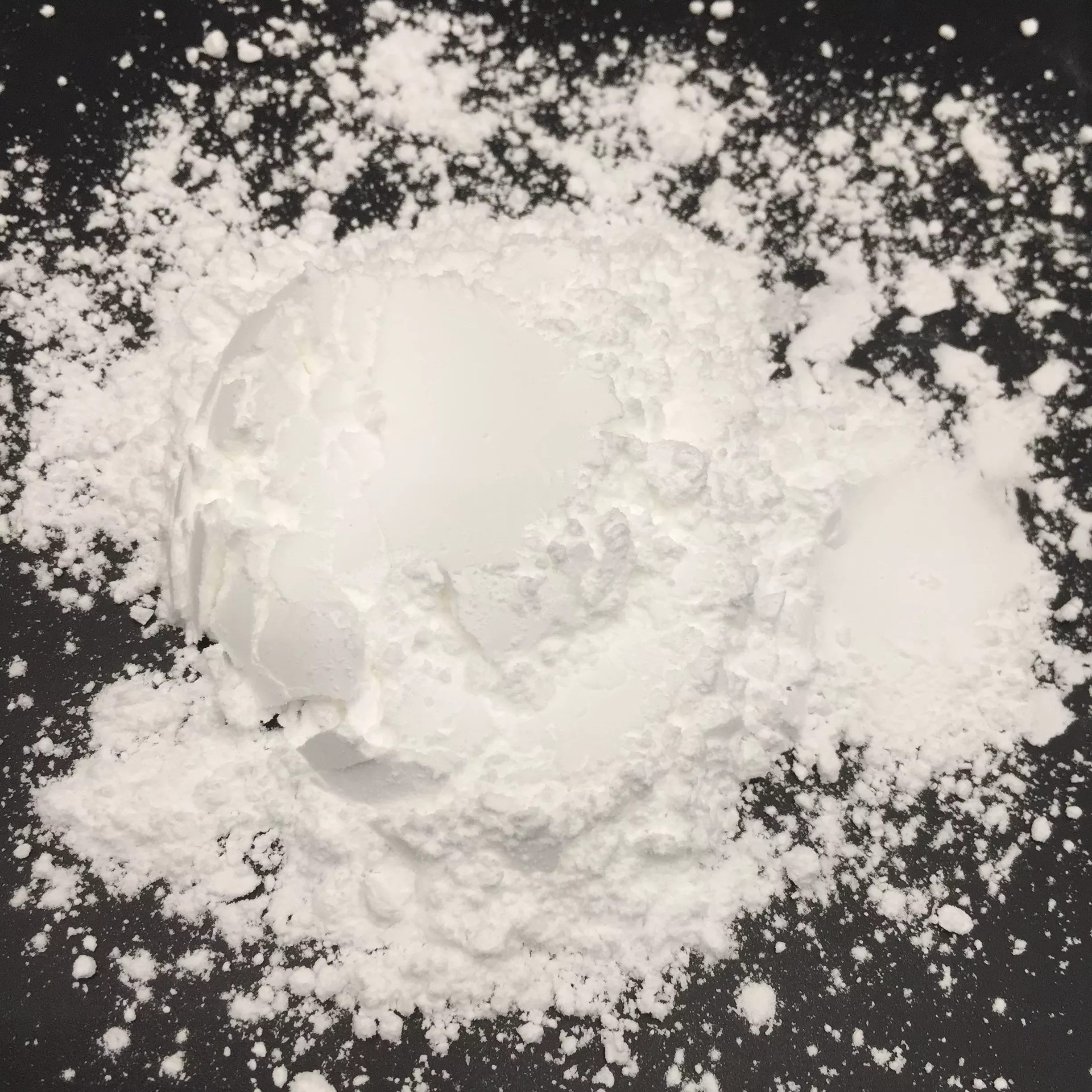
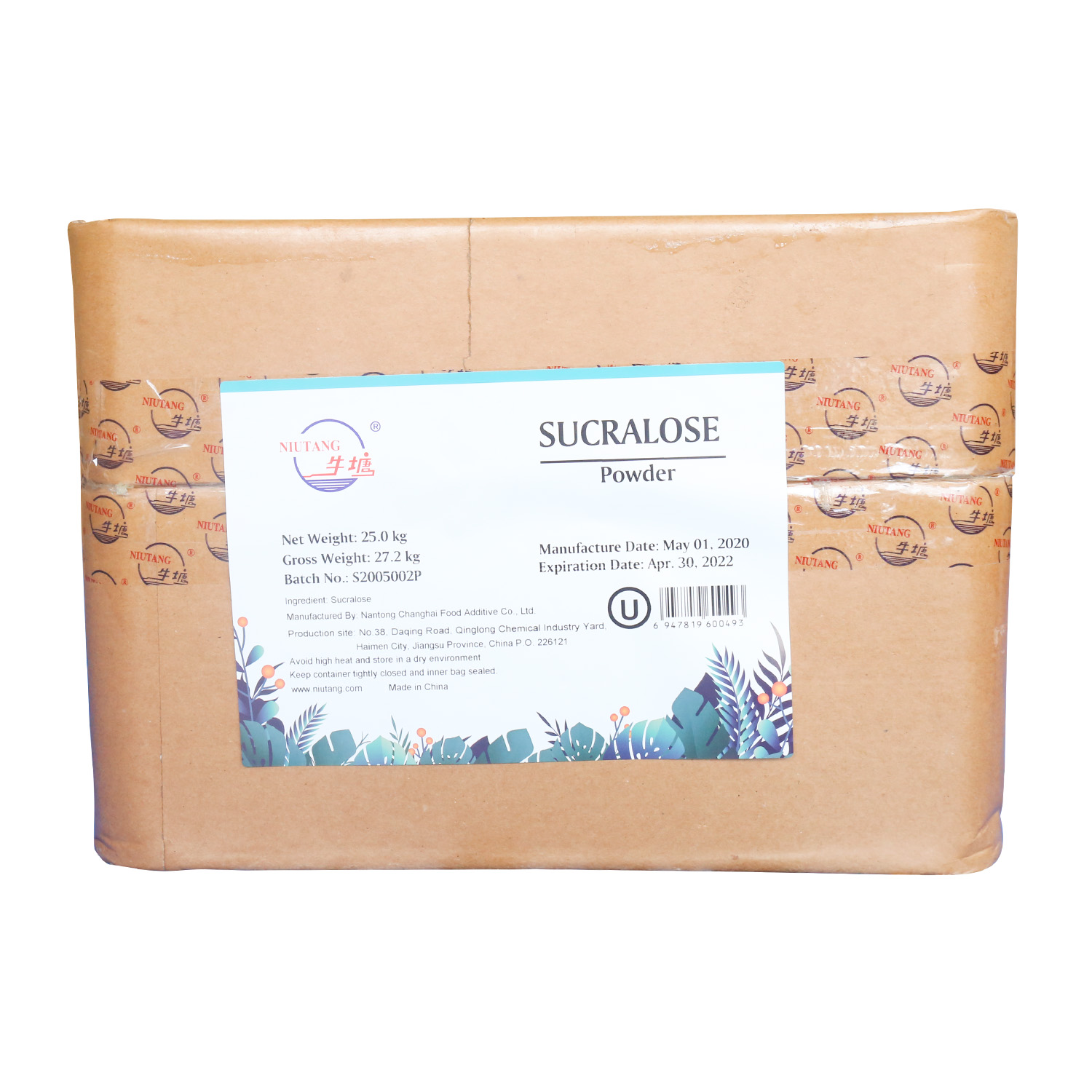
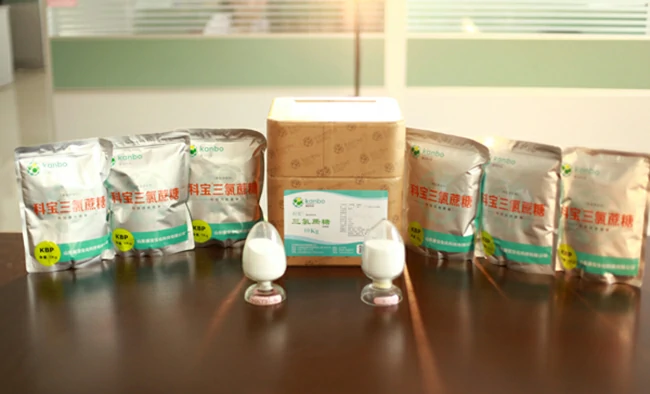
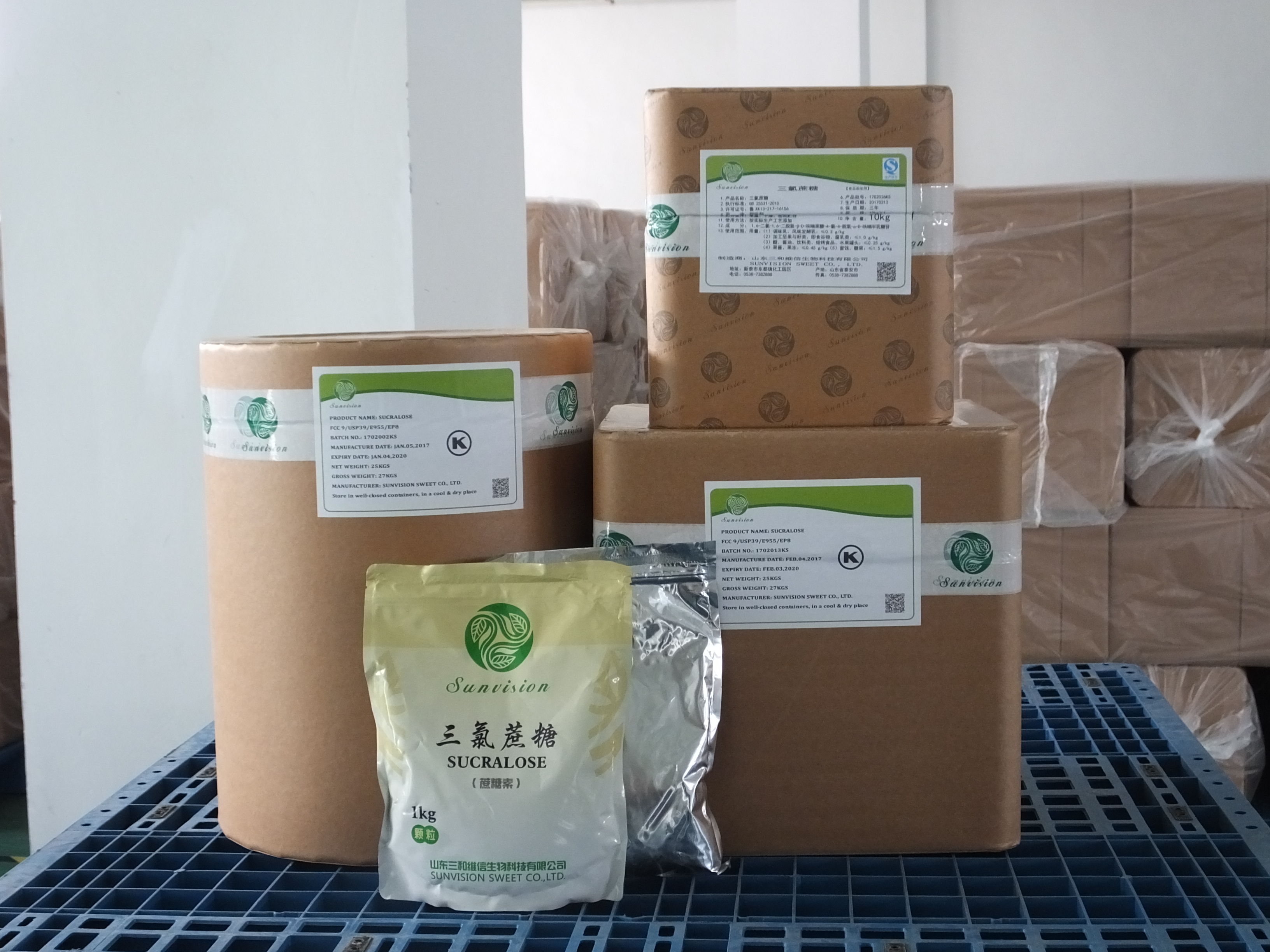
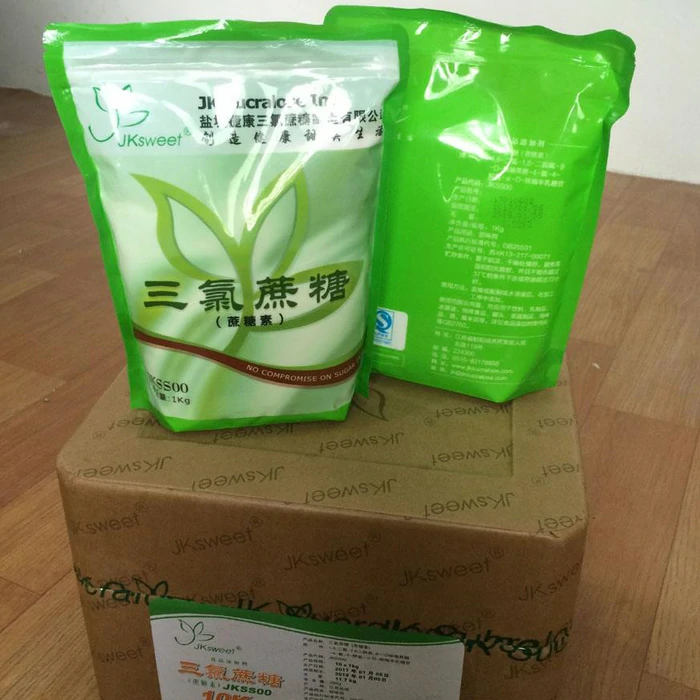
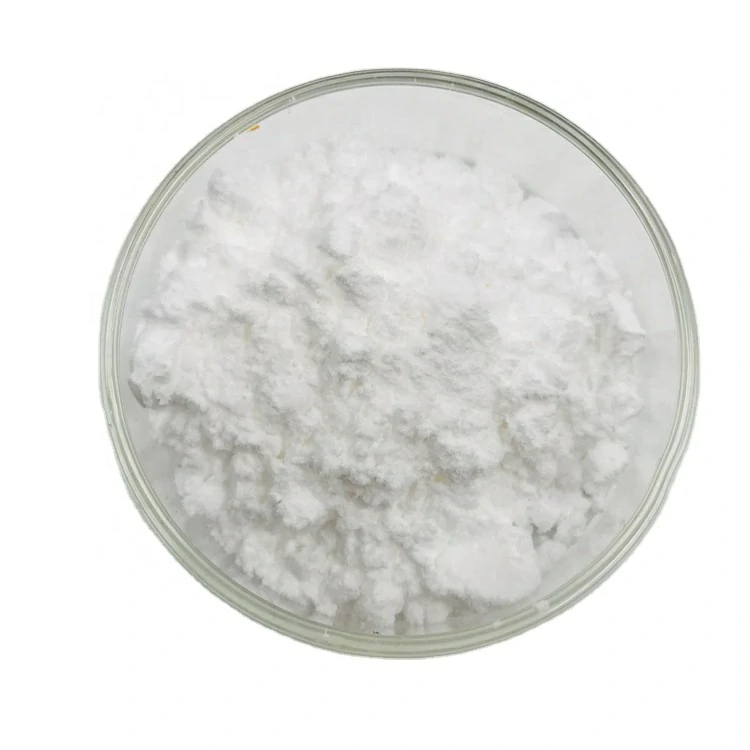
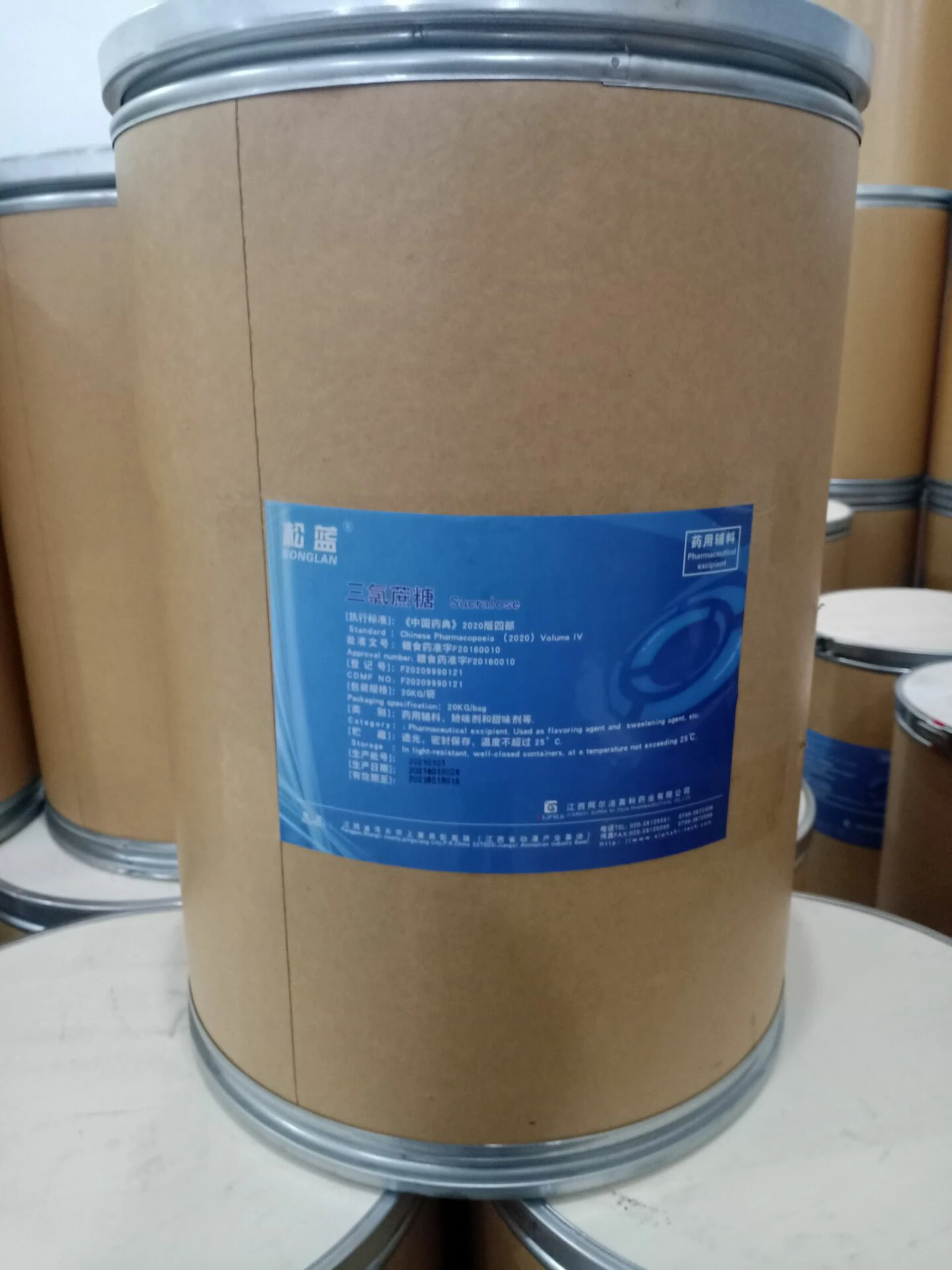
Sucralose is a kind of white powder product, which is easily soluble in water, ethanol and methanol. It is the only functional sweetener produced with sucrose as raw material. Its sweetness is 600 times that of sucrose, and its sweetness is pure. Its sweetness is very similar to sucrose, without any bitter aftertaste; No heat, no caries, good stability, especially in aqueous solution. After a long time of toxicological tests, it has been proved to be highly safe and is the best functional sweetener at present. It has been approved by more than 30 countries, such as the United States, Canada, Australia, Russia and China. At present, sucralose has been widely used in beverages.
Suppliers
View More Vendors (8) >
USP39、EP8.0、Regulation(EU)231-2012(E955)
/
Food Grade
25kg
/
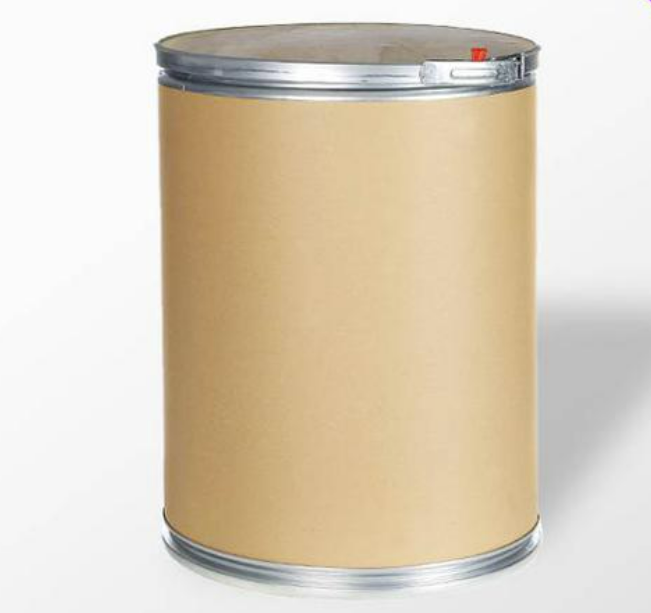
Fibre Drum
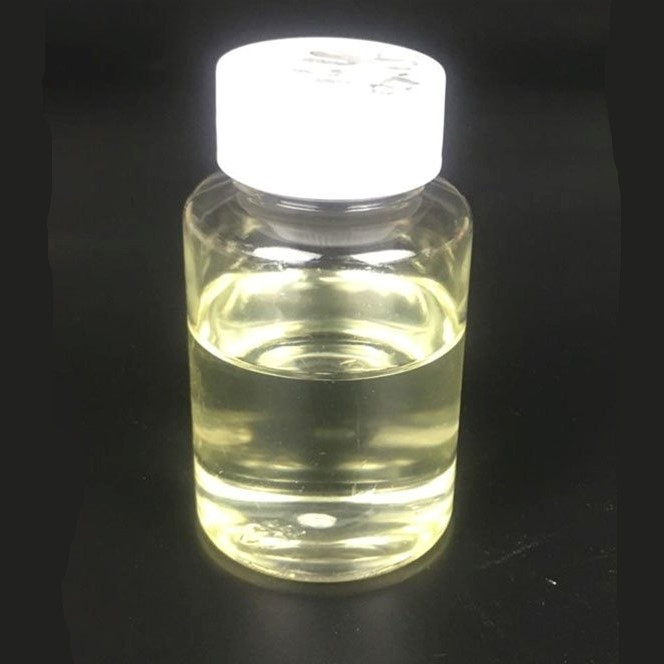
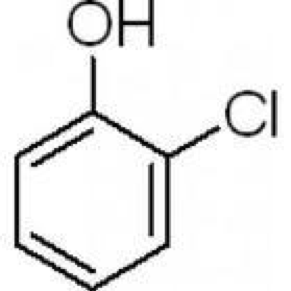
CAS:95-57-8
Molecular Formula:C6H5ClO
Alias
More Information
2-Chlorophenol; Septi-Kleen; O-Chloro-Pheno; 2-Chlorphenol; 2-Chloro-Pheno; O-Cl Phenol; Phenol,2-Chloro; O-Chlorophenol; Chlorophenolate; O-Monochlorophenol; Chloro-2Phenol; Ortho-Chlorophenol; OCP; Ortho Chloro Phenol
Brief Introduction
2-Chlorophenol is mainly used in pesticide, medicine, dyestuff, plastics and other industries. It is also used as denaturant of alcohol and selective solvent of refined mineral oil. It can also be used for microscope analysis and plant growth promoter. It can be used to synthesize dyes and react with dilute nitric acid to form mononitro and dinitro compounds, which are dye intermediates. It can further synthesize a variety of dyes, such as neutral brilliant green BL, etc. It is also used as denaturant for alcohol and selective solvent for refining mineral oil. In the pesticide industry, it is mainly used for the synthesis of Triadimefon, imipramine, wool fungicide, anti falling hormone (multifunctional plant growth regulator), propafenone (internal insecticide), tetraphos, insecticide, acaricide (Non internal acaricide), acaricide and dicofofen; In the pharmaceutical industry, it is used for carboxylation of sodium 5-chloro-2-hydroxybenzoate, synthesis of antomin, p-chlorophenoxyisobutyric acid and other drugs; It is also used in the synthesis of antioxidant BHA.
Suppliers
View More Vendors (8) >
CAS:98-92-0
Molecular Formula:C6H6N2O
Alias
More Information
VB3; Vitamin B3; Vitamin PP; 3-Pyridinecarboxamide; Niacinamide; Vitamin B3 Nicotinamide; Niacinamide Powder; VPP; Pyridine-3-Carboxamide; Nicotinamide B.P; Nicotinic Acid Amide; Niacinamid
Brief Introduction
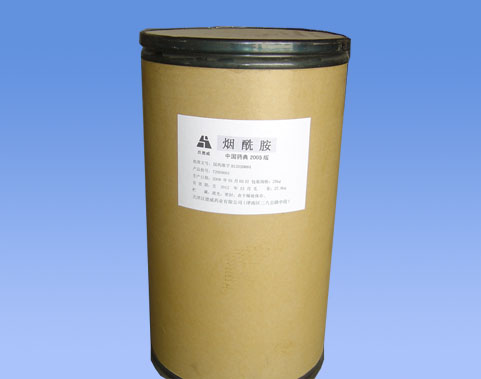
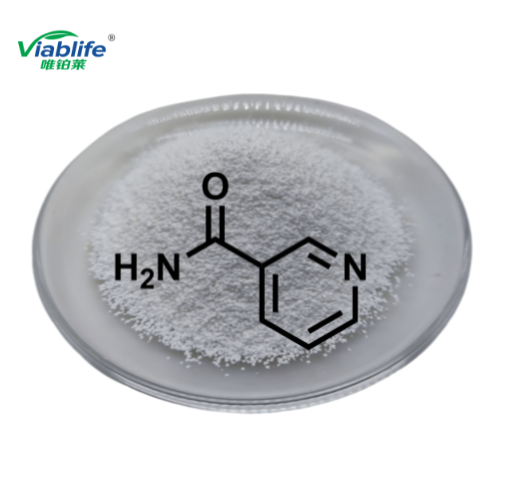
This product is a vitamin drug, which participates in the metabolic process in vivo, and is used for the prevention and treatment of nicotinic acid deficiency such as pellagra.
Suppliers
View More Vendors (8) >
EP/FCC/USP/GB/Chinese Pharmacopoeia/Enterprise Standard
/
Food Grade
500kg
/
Jumbo Bag
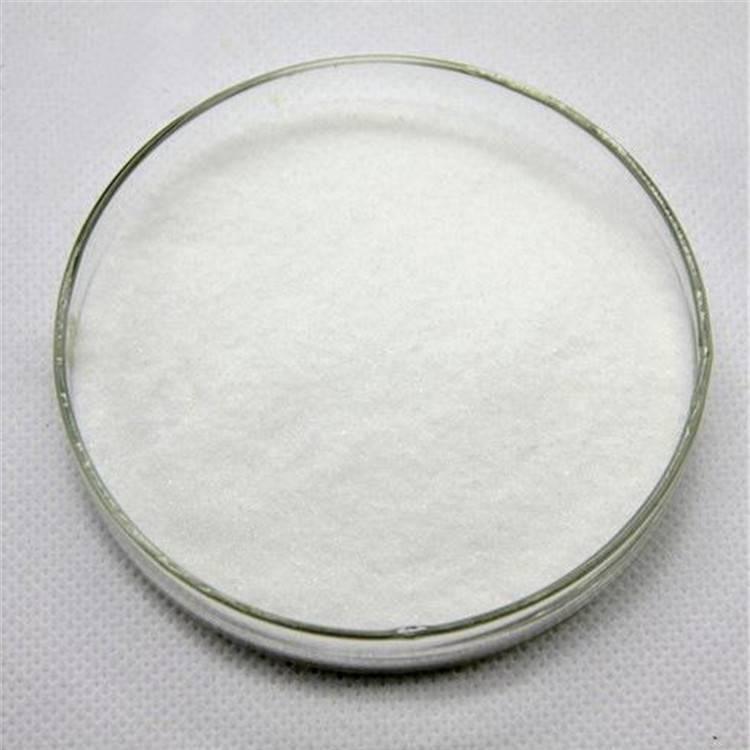
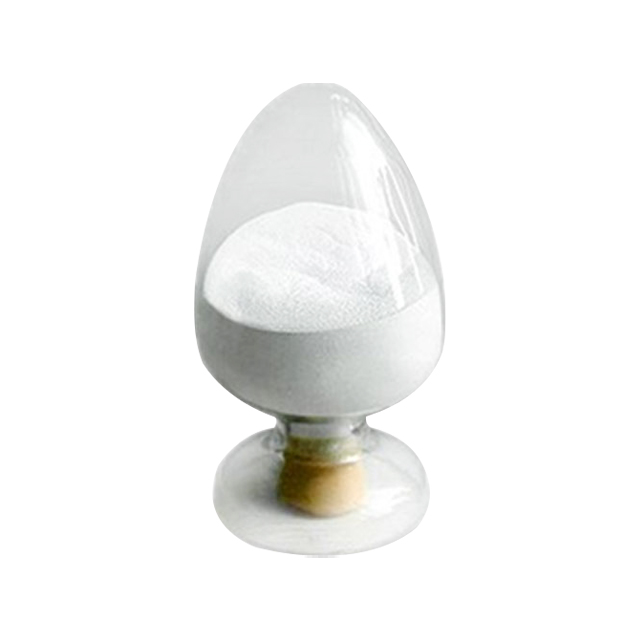
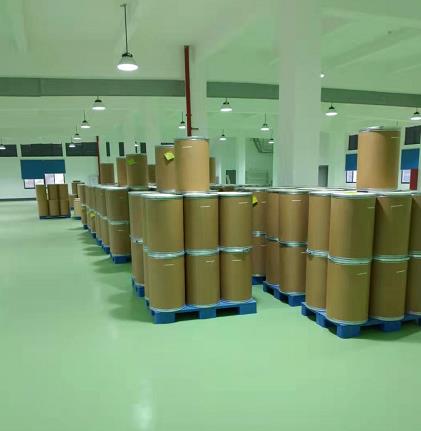
CAS:60-18-4
Molecular Formula:C9H11NO3
Alias
More Information
2-Amino-3-(4-Hydroxyphenyl)-Propanoic Acid; L-β-Hydroxyphenyl -β-Alanine; (2S,3R) -2-Amino-3-p-Hydroxyphenylpropionic acid; Tyr; (S)-Tyrosine; p-Tyrosine; 3-(4-Hydroxyphenyl)-L-Alanine; Mevacor; Mevlor; Tyrosine; Tyrosine TYR; Tyrosine Y; TYR Amino Acid; Tyrosine Amino Acid; Paschol; Mevinolin; Lovalip
Brief Introduction
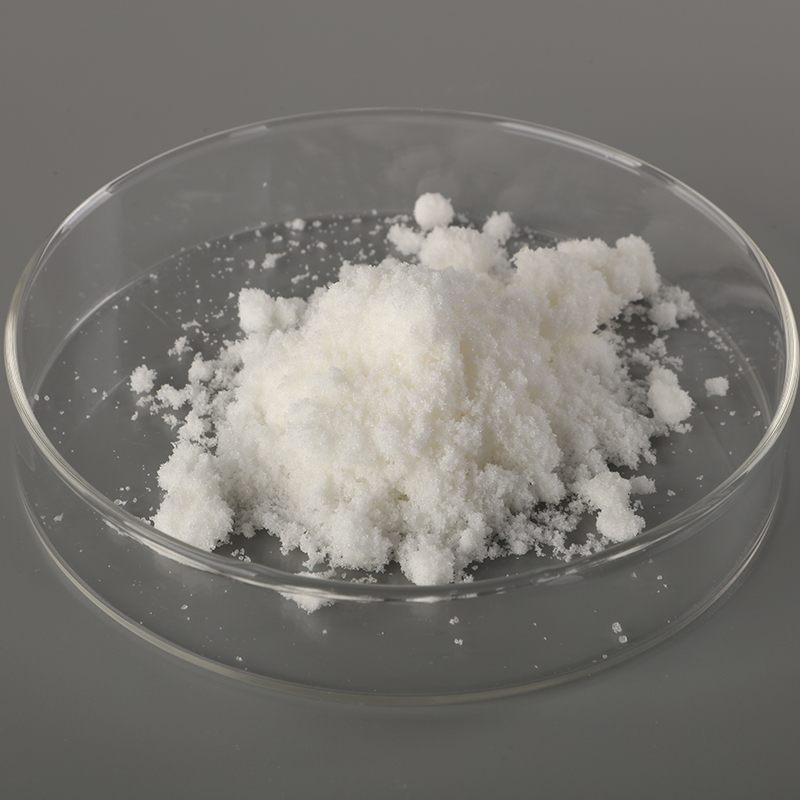
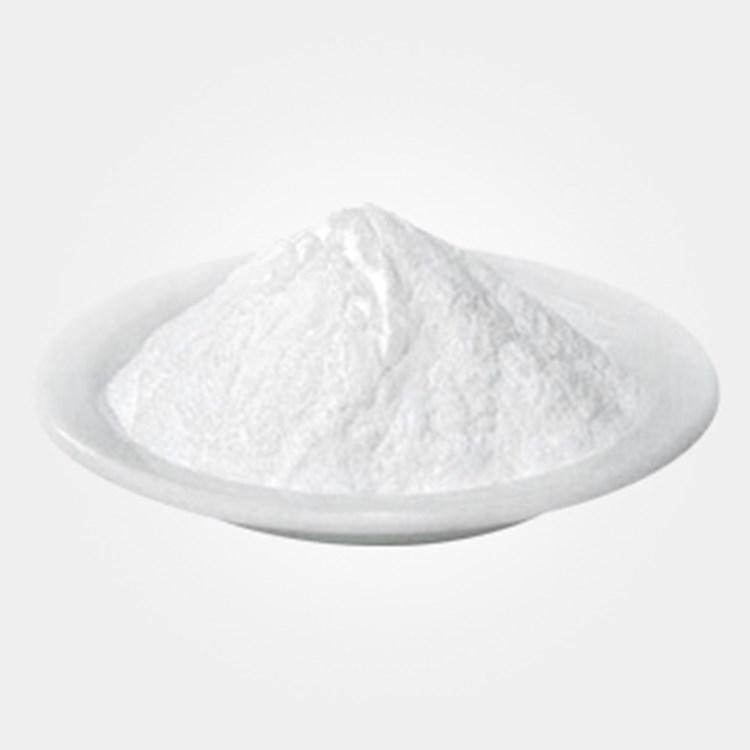
Nutritional supplements. After the reaction of amino carbonyl group with sugars, special flavor substances can be produced. It can be used for tissue culture (L-tyrosine · 2Na · H2O), biochemical reagent and treatment of hyperthyroidism. It can also be used as food for the aged and children and plant foliar nutrition.
Suppliers
View More Vendors (7) >
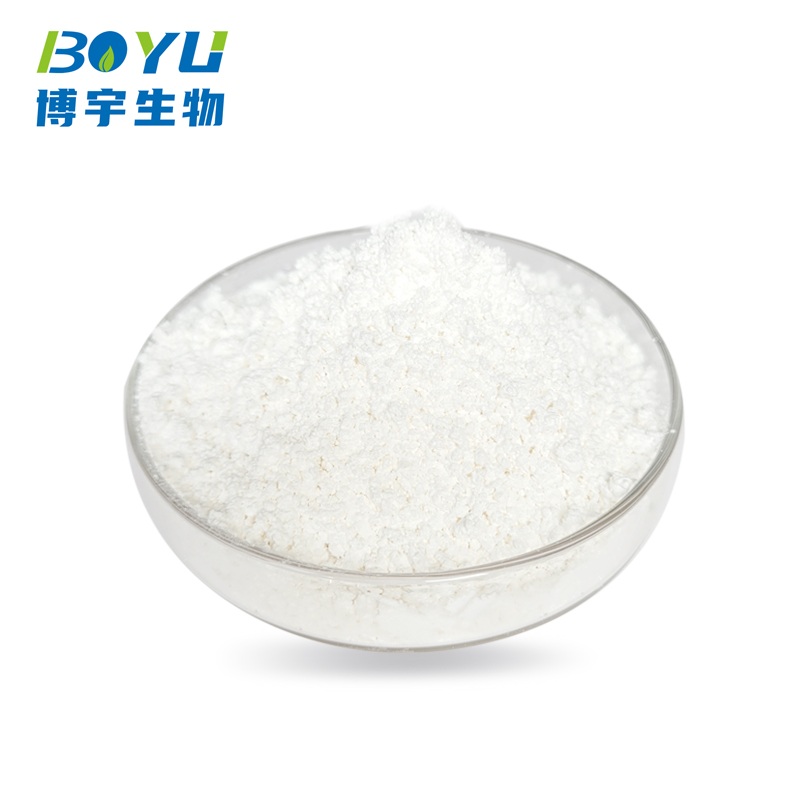
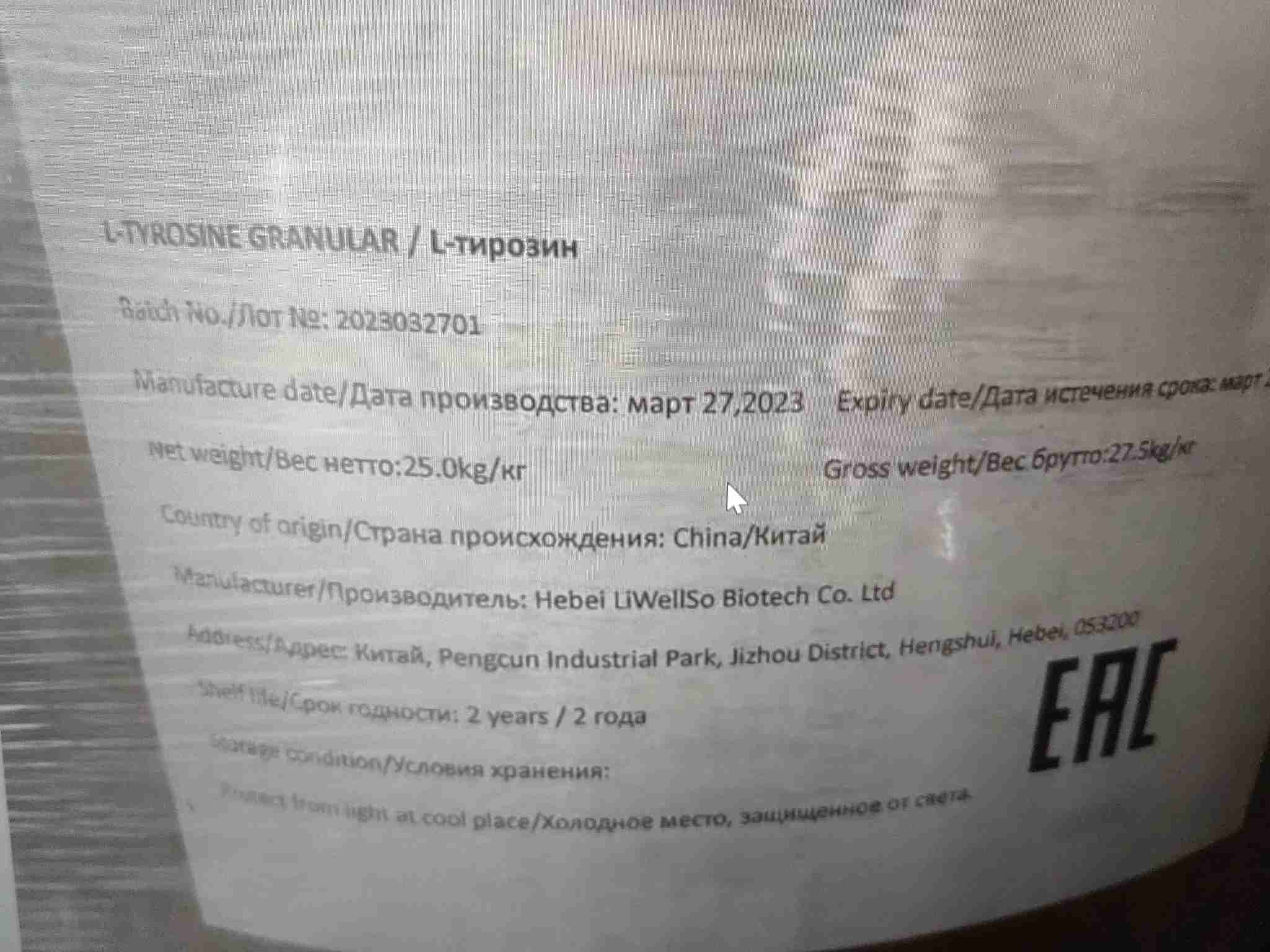
L-Tyrosine (on dried basis), w/%≥95.0%
/
Food Grade
25kg
/
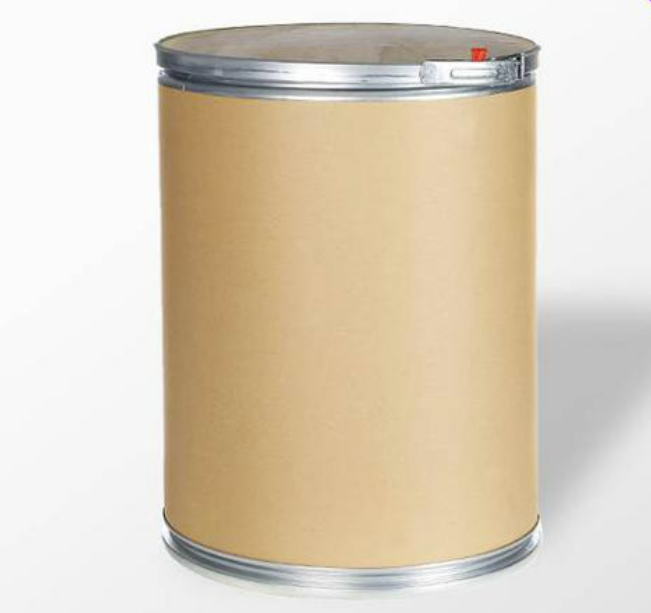
Fibre Drum
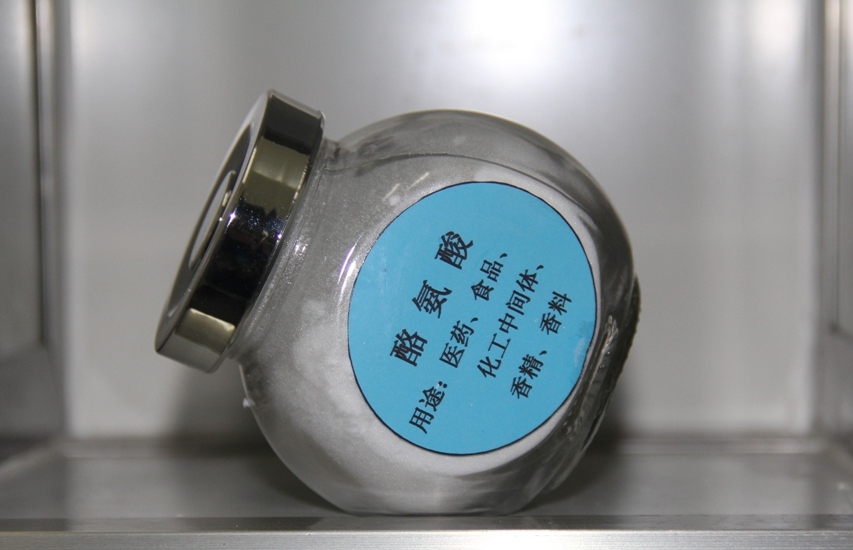
USP/EP/BP/CP/AJI
/
Pharm Grade
25kg
/
Fibre Drum
CAS:616-38-6
Molecular Formula:C3H6O3
Alias
More Information
Dmc; Dimethoxymethylal; Carbonic Acid Dimethyl Ester
Brief Introduction
The molecular structure of dimethyl carbonate contains carbonyl, methyl, methoxy and carbonylmethoxy, so it can be widely used in organic synthesis reactions such as carbonylation, methylation, methoxylation and carbonylmethylation, so it has a very wide range of applications, mainly used as carbonylation and methylation reagents, gasoline additives, raw materials for the synthesis of polycarbonate (PC), etc. 1. A new type of low toxic solvent can replace toluene, xylene, ethyl acetate, butyl acetate, acetone or butanone in the paint and adhesive industry, which is an environmental friendly green chemical product. 2. Good methylating agent, carbonylating agent, hydroxymethylating agent and methoxylating agent. It is a kind of chemical material with wide application. 3. Phosgene, dimethyl sulfate, methyl chloroformate and other potent drugs are ideal substitutes. 4. Synthesis of polycarbonate, diphenyl carbonate, isocyanate, etc. 5. In medicine, it is used to synthesize anti infective drugs, antipyretic and analgesic drugs, vitamin drugs and central nervous system drugs. 6. Pesticides are mainly used in the production of methyl isocyanate, and then some carbamate drugs and insecticides (anisole). 7. Gasoline additives, lithium battery electrolyte, etc.
Suppliers
View More Vendors (7) >
≥99.90%
/
Tech Grade
24000kg
/
ISO Tank
Inquiry (
10
/ 10
)
Clear All
Sign In
Error!