
CAS:2937-54-4
Molecular Formula:C2H7NO2S2
Alias
More Information
2-Aminoethanethiosulfonic S-ACID; 2-Amino-Aethanthiosulfonsaeure; 2-Amino-Ethanethiosulfonic acid; Ethanesulfonothioic acid,2-Amino; 2-Aminoethanesulfonothioic acid
USD 1.2 Million
Less Than 50 People
Manufacturing
Manufacturing
| Product Photo | Specification | Grade | Max Capacity | Certificates | Package | |
|---|---|---|---|---|---|---|
|
|
||||||
| - | - | - | - |
Main products:
Thiotaurine
/L-Glutathione Reduced
/Melatonine
/Ectoine
/Azelaic Acid
/Nonediamide MEA
/4-Butylbenzene-1,3-diol
/2,4-Diamino Pyrimidine-3-Oxide
/4-(Alpha-Methylbenzyl)Resorcinol
/3-O-Ethyl-L-Ascorbic Acid
/Ascorbyl Glucoside
/Pterostilbene
/Potassium,2-Hydroxy-4-Methoxybenzoate
/Hydroxypinacolone Retinoate
/Pyrrolidinyl Diaminopyrimidine Oxide
/10-Hydroxydecanoic acid
/S-Acetyl-L-Glutathione
/Salen-Mn
/Vanillyl Butyl Ether
/3-Heptyl-2-[(3-Heptyl-4-Methyl-3H-Thiazol-2-Ylidene)Methyl]-4-Methylthiazolium Iodide
/Idebenone
/D-Alpha-Tocopheryl Acetate
/Dimethylmethoxy Chromanol
/Lipoic Acid
/Tranexamic Acid
/Bimatoprost
/BeriCos® Peptidomidex
/Hexamidine Diisethionate
/2-(3-(4-Hydroxyphenyl)Propanamido)Benzoic Acid
/(2S,3R,4S,5R)-2-(2-Hydroxypropyl)Oxane-3,4,5-Triol
/Ergothioneine
/Glucosylglycerol
/[5-Hexadecanoyloxy-4-(Hexadecanoyloxymethyl)-6-Methylpyridin-3-Yl]Methyl Hexadecanoate
/Coenzyme Q10
/Piroctone Olamine
/VC-IP
/Ferulic Acid
/Ceramide NP
/Minoxidil
/4-Hexyl-1,3-Benzenediol
/5-Amino-1,3-Dihydrobenzimidazole-2-Thione
/Bufexamac
/2-(Chloromethyl)-4-Methoxy-3-Methylpyridine Hydrochloride
/Cyclen
/Dimethindene Maleate
/Telmisartan
/2-[(4-Methoxy-3-Methylpyridin-2-Yl)Methylsulfinyl]-6-Pyrrol-1-Yl-1H-Benzimidazole
/8-Methylnonyl Nonan-1-oate
/Retatrutide
/Semaglutide
/5-Pyrrol-1-Yl-1,3-Dihydrobenzimidazole-2-Thione
/Tirzepatide
/Sodium Ascorbyl Phosphate
/Climbazole
CAS:242132-61-2
Molecular Formula:C11H21NO4
USD 1.2 Million
Less Than 50 People
Manufacturing
Manufacturing
| Product Photo | Specification | Grade | Max Capacity | Certificates | Package | |
|---|---|---|---|---|---|---|
|
|
||||||
| - | - | - | - |
Main products:
Nonediamide MEA
/L-Glutathione Reduced
/Melatonine
/Ectoine
/Azelaic Acid
/4-Butylbenzene-1,3-diol
/2,4-Diamino Pyrimidine-3-Oxide
/4-(Alpha-Methylbenzyl)Resorcinol
/3-O-Ethyl-L-Ascorbic Acid
/Ascorbyl Glucoside
/Pterostilbene
/Potassium,2-Hydroxy-4-Methoxybenzoate
/Hydroxypinacolone Retinoate
/Pyrrolidinyl Diaminopyrimidine Oxide
/10-Hydroxydecanoic acid
/Thiotaurine
/S-Acetyl-L-Glutathione
/Salen-Mn
/Vanillyl Butyl Ether
/3-Heptyl-2-[(3-Heptyl-4-Methyl-3H-Thiazol-2-Ylidene)Methyl]-4-Methylthiazolium Iodide
/Idebenone
/D-Alpha-Tocopheryl Acetate
/Dimethylmethoxy Chromanol
/Lipoic Acid
/Tranexamic Acid
/Bimatoprost
/BeriCos® Peptidomidex
/Hexamidine Diisethionate
/2-(3-(4-Hydroxyphenyl)Propanamido)Benzoic Acid
/(2S,3R,4S,5R)-2-(2-Hydroxypropyl)Oxane-3,4,5-Triol
/Ergothioneine
/Glucosylglycerol
/[5-Hexadecanoyloxy-4-(Hexadecanoyloxymethyl)-6-Methylpyridin-3-Yl]Methyl Hexadecanoate
/Coenzyme Q10
/Piroctone Olamine
/VC-IP
/Ferulic Acid
/Ceramide NP
/Minoxidil
/4-Hexyl-1,3-Benzenediol
/5-Amino-1,3-Dihydrobenzimidazole-2-Thione
/Bufexamac
/2-(Chloromethyl)-4-Methoxy-3-Methylpyridine Hydrochloride
/Cyclen
/Dimethindene Maleate
/Telmisartan
/2-[(4-Methoxy-3-Methylpyridin-2-Yl)Methylsulfinyl]-6-Pyrrol-1-Yl-1H-Benzimidazole
/8-Methylnonyl Nonan-1-oate
/Retatrutide
/Semaglutide
/5-Pyrrol-1-Yl-1,3-Dihydrobenzimidazole-2-Thione
/Tirzepatide
/Sodium Ascorbyl Phosphate
/Climbazole
CAS:294855-91-7
Molecular Formula:C25H42N2O7
Alias
More Information
L-Glutamic acid, N-(1-Oxohexadecyl)-, 5-(2,5-Dioxo-1-Pyrrolidinyl) Ester; L-Norvaline, 5-[(2,5-Dioxo-1-Pyrrolidinyl)oxy]-5-oxo-N-(1-Oxohexadecyl)- (9CI); Pal-Glu(OSu)-OH; Liraglutide side Chain; Liraglutide Intermediate
CNY 10 Million
Manufacturing
Manufacturing
| Product Photo | Specification | Grade | Max Capacity | Certificates | Package | |
|---|---|---|---|---|---|---|
|
|
||||||
| - | - | - | - |
Main products:
(S)-5-((2,5-Dioxopyrrolidin-1-yl)oxy)-5-oxo-2-Palmitamidopentanoic acid
CAS:17671-53-3
Molecular Formula:C12H17NO5
CNY 2.3 Million
39960m²
100-500 People
Manufacturing
Manufacturing
| Product Photo | Specification | Grade | Max Capacity | Certificates | Package | |
|---|---|---|---|---|---|---|
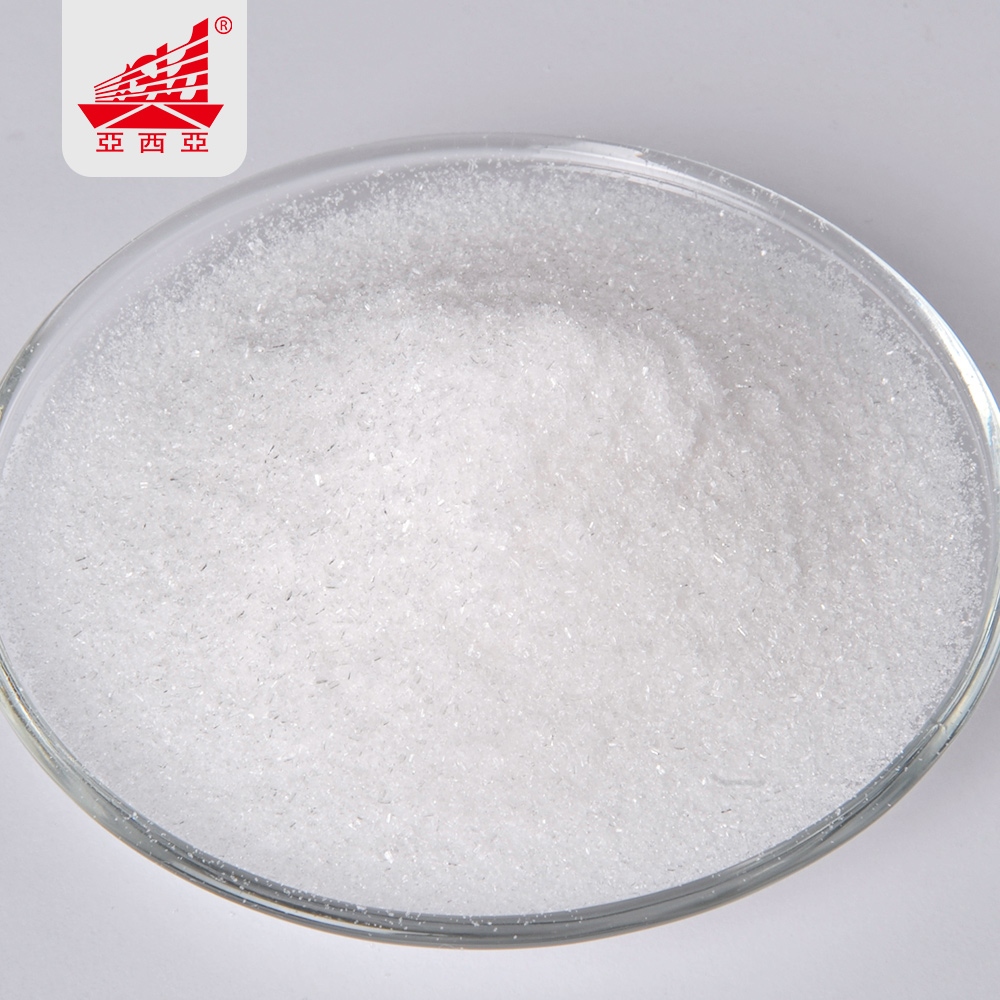
|
||||||
| - | - | - |
|
Main products:
Betaine Salicylate
/L+DMAE Bitartrate
/Glycine Betaine
/Betaine Citrate
/Choline Bitartrate
/Choline Hydroxide
/Betaine Monohydrate
/DL Choline Bitartrate
/Betaine Hydrochloride
/Choline Chloride
/2-Dimethylaminoethanol Bitartrate
/Choline Dihydrogen Citrate
CAS:59113-36-9
Molecular Formula:C6H14O5
Alias
More Information
Propanediol, Oxybis-; 3,3'-Oxydipropane-1,2-Diol; Diglycerin; Oxybispropanediol; Glycerol Dimer
Brief Introduction
This product is mainly used as moisturizing agent for cosmetics, degradable plastic agent, cleaning agent, metalworking fluid agent, cement grinding agent, concrete agent, ink agent, etc.
Inquiry (
10
/ 10
)
Clear All
Sign In
Error!