
Feed Additive
Additives For Food Packaging
Colorant
Stabilizer and Coagulator
Water Retention Agent
Feed Deworming Health Agents
Anti Corrosion and Preservation
Color Fixative
Flour Treatment Agent
Defoamer
Coating Agent
Feed Vitamins
Emulsifier
Other Food Additives
Nutritional Fortifier
Thickening Agent
Feed Quality Enhancer
Antioxidants
Chewing Gum Bases
Bulking Agent
Feed Amino Acids and Small Peptides
Flavor Enhancer
Sweeteners
Additives For Feed Preservation
Other Feed Additives
Food Additive
Bleaching Agents
Anticaking Agent
Food Flavors and Fragrances
Enzyme Preparation
Feed Trace Elements
Acidity Regulators
Feed Growth Promoters
Feed Conditioner
CAS:7757-93-9
Molecular Formula:CaHO4P
Alias
More Information
DCP; Di-Calcium Phosphate; Calcium Phosphate; Calcium Hydrogen Phosphate Anhydrous; Calcium Perphosphate,Ammonified,Granular; Calcium Hydrogenorthophosphate; Calcium Hydrogen Phosphate; Calcium Monohydrogen Phosphate; Calcium Phosphate, Dibasic; Phosphoric Acid, Calcium Salt (1:1); Secondary Calcium; Dibasic Calcium Phosphate; Calcium Hydrogen Phosphate,Agricultural; Calcium Acid Phosphate; Calcium Dibasic Phosphate; Dicalcium Phosphate Anhydrous; di Calcium Phosphate Anhydrous; Dicalcium Phosphate 18%; Dicalcium Phosphate - feed Grade; Dicalcium Phosphate Granular; di Calcium Phosphate
Brief Introduction
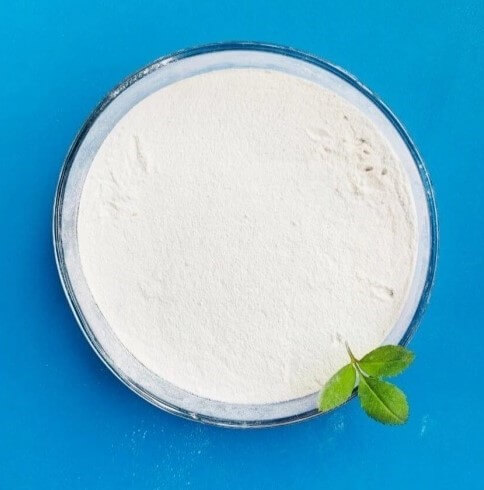
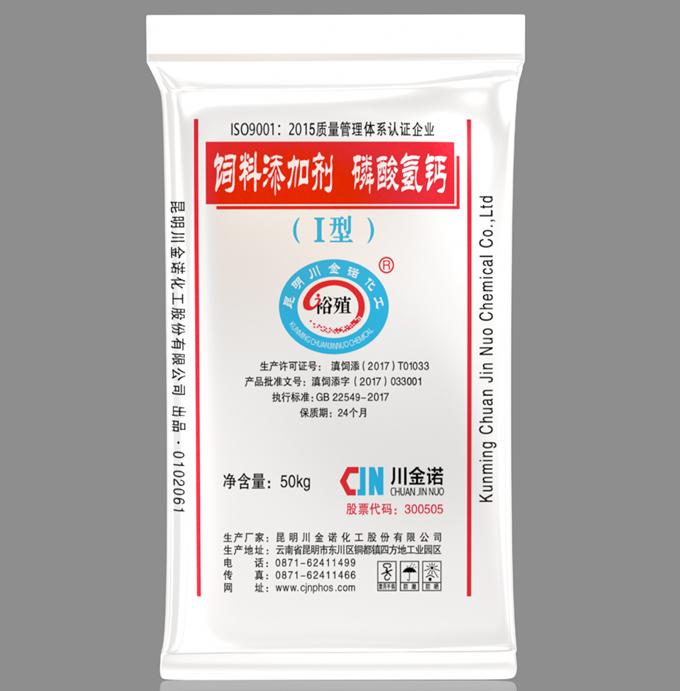
This product is used as base fertilizer, food additive and feed additive for various crops. It can be widely used in bone substitute materials, plastic and cosmetic surgery, dentistry, chromatography purification and calcium supplement.
Suppliers
View More Vendors (9) >
Ch.P.;USP Particle size distribution (95% distribution) 20 mesh ~ 120 mesh
/
Pharm Grade
25kg
/
Paper Bag
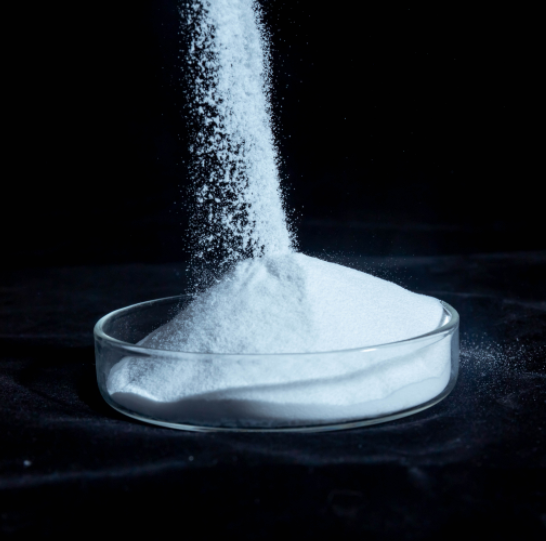

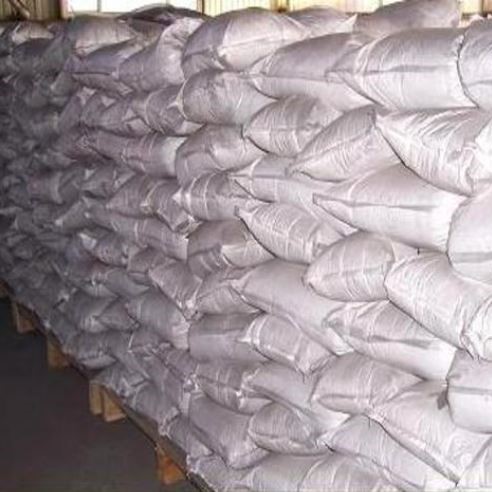
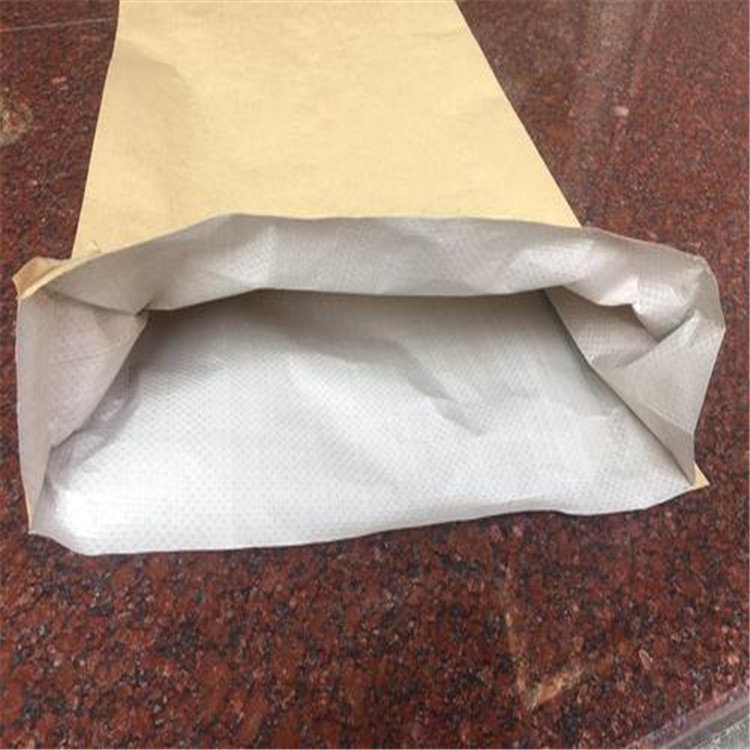
Phosphorus ≥ 19%, calcium ≥ 26%
/
Feed Grade
25kg
/
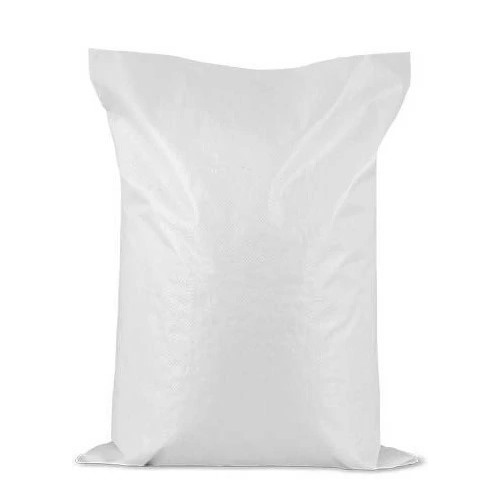
Woven Bag
Thermphos (Jiangsu) Technology Co.,Ltd.
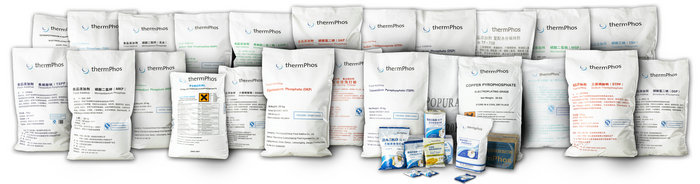
25kg
/
-
CAS:141-01-5
Molecular Formula:C4H2FeO4
Alias
More Information
Firon; Fumafer; Feostat; Ircon; Ferrone; Feroton; Fumar-F; Fumar; Galfer; Cpiron; Iron(Ⅱ) Fumarate; Iron(2+) Fumarate
Brief Introduction
Ferrous fumarate is a kind of iron compound corresponding to fumarate, and its appearance is red orange powder. Iron is one of the essential trace elements in animal body. It is a component of heme, myoglobin and cytochrome, which is closely related to the process of animal hematopoiesis, oxygen carrying and productivity. Ferrous fumarate, also known as fumarate, is a safe and efficient organic nutritional iron supplement, belonging to organic acid iron (including lysine iron, glycine iron, methionine iron, etc.). The content of iron in pure ferrous fumarate is 32.87%, so a 300mg ferrous fumarate tablet contains 105mg of iron. Moreover, after ferrous fumarate is absorbed, the divalent iron ions are easy to decompose, enter the red blood cells without additional energy, do not stimulate the stomach, can improve and maintain the normal level of heme, can be used as a nutritional additive for a long time, clinically used for the treatment of iron deficiency anemia.
Suppliers
View More Vendors (8) >


Thermphos (Jiangsu) Technology Co.,Ltd.

25kg
/
Food Grade
CAS:4075-81-4
Molecular Formula:C6H10CaO4
Alias
More Information
Calciurn Propionate; Propionic Acid Calcium Salt; Calcium Dipropionate; Caprosil Salt G; Propionatedecalcium; Caprosil Salz; Calcium Propanoate; Calciumpropanoate; Propionic Acid,Calcium Propionate; Bioban-C; Calcium Propiohate; Propionsaeure,Calciumpropionat; Calcium Propinate
Brief Introduction
It can be used as food preservative, mildew inhibitor, cake, bread, soy sauce, vinegar, cut noodles, etc. As a mould inhibitor of feed, it is widely used in protein feed, bait feed, full price feed and other aquatic animal feeds. It is an ideal mould inhibitor for feed processing enterprises, scientific research and other animal feeds.
Suppliers
View More Vendors (8) >


BP98; 99.0%-100.5%
/
Pharm Grade
25kg
/
Paper Bag


≥99.0%
/
Tech Grade
25kg
/
Woven Bag

CAS:1314-13-2
Molecular Formula:OZn
Alias
More Information
ZINC Hydroxide; Zinc Dihydroxide; C.I.Pigment White 4 (77947); Zincoxide,Puratronic(R); Zincoxidepowder; Zincoxide(fume)(Alsoseemetal); ZnO; Zinc Oxide nano; zinc Oxide Quantum dots; Pelletized zinc Oxide; Zince Oxide
Brief Introduction
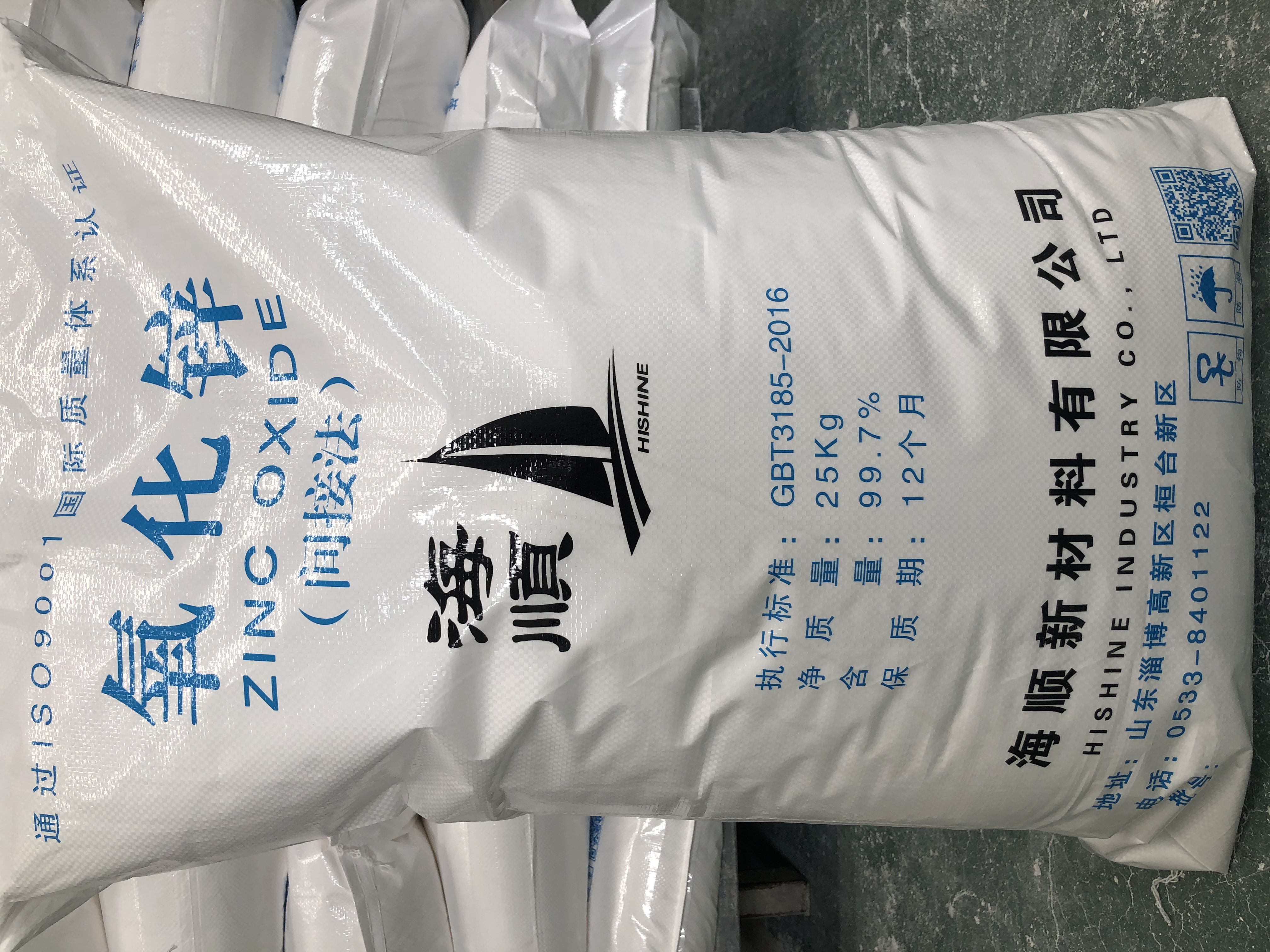
Zinc oxide is a kind of pure white powder, which is composed of amorphous or needle like small particles. As a basic chemical raw material, it has a wide range of applications, such as rubber electronics, medicine, coatings and other industries. Zinc oxide can be used as white pigment in printing and dyeing, papermaking, match and pharmaceutical industry. In rubber industry, it is used as vulcanizing agent, reinforcing agent and colorant of natural rubber, synthetic rubber and latex. It is also used in the manufacture of pigment zinc chrome yellow, zinc acetate, zinc carbonate, zinc chloride, etc. In addition, it is also used in electron laser materials, phosphors, feed additives, catalysts, etc. In medicine, it is used to make ointment, zinc paste, rubber paste, etc.
Suppliers
View More Vendors (6) >



CAS:7681-11-0
Molecular Formula:IK
Alias
More Information
Pima; Kali Iodide; Thyro-Block; Potassium Monoiodide; Knollide; Kisol; Asmofug E; Dipotassium Diiodide; Kaliumiodid; Potassium;Iodide; Potassiumiodide; Unii-1C4Qk22F9J; Mfcd00011405; 1C4Qk22F9J; Chebi:8346; Nsc-77362; Thyroshield; Joptone; Potide; Iosat; Potassium Iodid
Brief Introduction
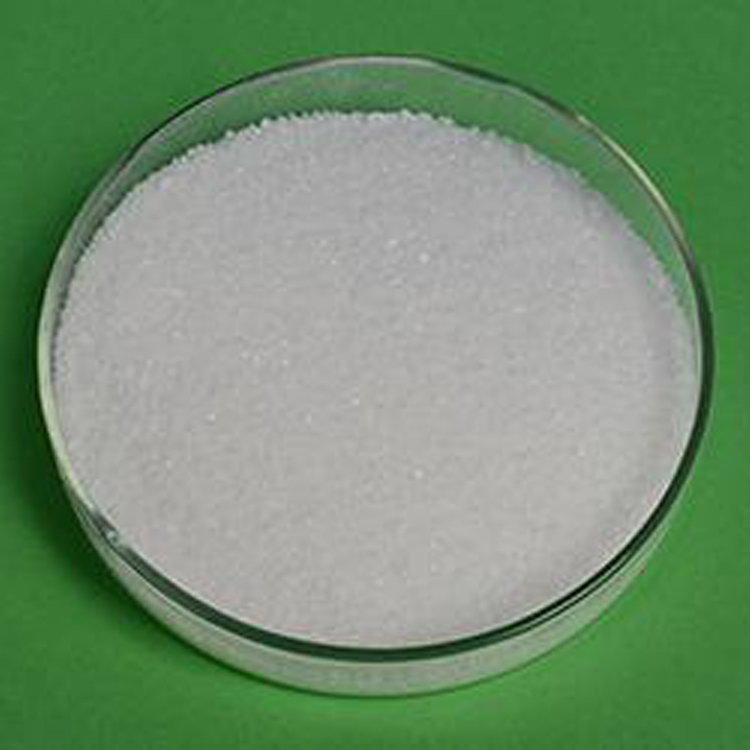
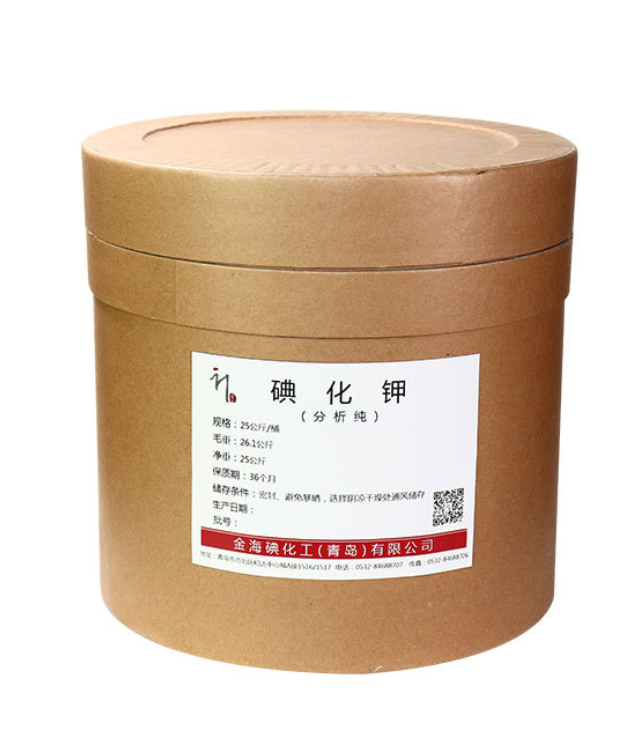
Potassium iodide is an ionic compound, in which iodide ion and silver ion can form a dark yellow precipitate silver iodide (see light decomposition, can be used to make high-speed photographic film), so silver nitrate can be used to test the existence of iodide ion. Iodine, as a component of thyroxine, is closely related to the basic metabolism of livestock and poultry, and participates in almost all material metabolism processes. Iodine deficiency in livestock can cause thyroid hyperplasia and hypertrophy, decrease the basic metabolic rate, and affect growth and development. It is necessary to add iodine in the feed of young livestock and livestock in iodine deficient areas. The iodine requirement of high-yield dairy cows and high-yield laying hens is increased, and iodine is also needed in their feed. The iodine in milk and eggs increased with the increase of feed iodine. It is reported that high iodine egg can reduce the cholesterol content of human body, which is beneficial to the health of patients with hypertension. In addition, during the period of animal fattening, although there is no iodine deficiency, in order to make the thyroid function of livestock and poultry exuberant, enhance the ability of anti stress, and maintain the highest production capacity, iodide is also added. Potassium iodide as an iodine source is added to the feed, which can prevent iodine deficiency, promote growth, increase the rate of egg production and reproduction, and improve the utilization rate of feed. To sum up, potassium iodide is commonly used as analytical reagent, photographic emulsifier preparation, pharmaceutical industry, as well as photographic emulsion, soap, lithography, food additives, etc.
Suppliers
View More Vendors (5) >

Inquiry (
10
/ 10
)
Clear All
Sign In
Error!