
Antioxidant
Other Auxiliary Agent
Petroleum Additives
Adsorbent
Water Treatment Chemicals
Rubber Additives
Adhesive Additives
Cross-Linking Agent
Flame Retardants
UV Absorbers
Organic Extractant
Resin Additives
Electronics Chemicals
Pesticide Additives
Building Chemicals
Plastic Additives
Oilfield Chemicals
Adhesive
Plastic Rubber Chemicals
Paper Additives
Molecular Sieve
Coating Additives
Textile Auxiliaries
Fluorescent Brightener
Polyethylene Glycol Derivatives
Coupling
Forest Chemicals
Leather Auxiliary Agents
Beneficiation Agents and Smelting Additives
Dye Auxiliaries
Alias
More Information
Soaping Powder
Brief Introduction
It can remove unfixed dyes and hydrolytic dyes on the fabric and prevent spots on the fabric
Suppliers
View More Vendors (4) >
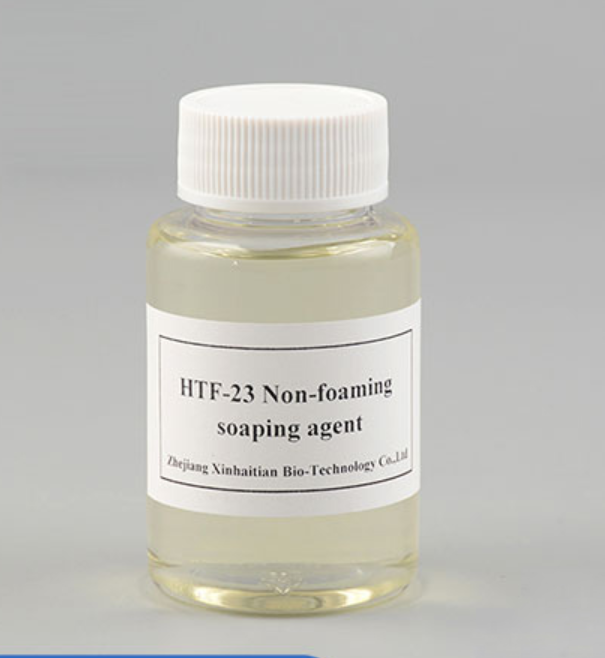
DB-1S: content 40%;used in soaping process after dyeing and printing for cotton fabrics
/
Tech Grade
125kg
/
Plastic Drum
Used for soaping cellulose fibers after dyeing or printing;pH:11.0-13.0
/
Tech Grade
25kg
/
Woven Bag
Alias
More Information
Gelling Agent; Thickener; Reactive Printing Thickener; _|_; Composite Thickener 2800; Chocolate Polishing Agent 2800; Glazing Agent 2800
Brief Introduction
Thickener is an additive that can increase the viscosity of the system, stabilize the physical properties of the system, and has the function of emulsification. In addition to the thickening effect, it is also required to have the ability of moisturizing. Such substances include starch, pectin, agar, gelatin, casein, propylene alginate, etc. Water glass is used in other aspects. This product is not only used in cosmetics and food, but also widely used in rubber, daily necessities, etc. As a kind of food additives, this product can dissolve or disperse in water, increase the viscosity of fluid or semi fluid food, and maintain the relative stability of the system. In food, it is mainly to give the rheological form required by food, change the texture and appearance of food, make liquid and slurry food form a specific form, and make it uniform and stable. It can improve the quality of food, keep food smooth and palatable, and also has the characteristics of water solubility, stability, gel, foaming, stabilizing foam, adhesion, film forming, water holding, flavoring and health care. There are many kinds of thickeners, including thickeners from animals, plants, microorganisms, seaweed gels and other sources.
Suppliers
View More Vendors (4) >
Ph Value (1% solution):6.0~7.0,Major Composition:acrylic acid multi-component copolymer
/
Tech Grade
125kg
/
Plastic Drum
Actual active ingredient content: 100%
/
Food Grade
12.5kg
/
Plastic Drum
Youjinrui
Active ingredients (%): 25.0-31.0
/
-
Alias
More Information
Osmotic Reagent; Refining Penetrant
Brief Introduction
Penetrant, also known as wetting agent, can reduce the surface tension or interfacial tension of liquid and make solid materials more easily wetted. Due to the reduction of surface or interfacial tension, water can expand or penetrate on solid materials and wet them. It is often used in the preparation of pigment paste, emulsion paint and color paint. Sometimes it can also be used as emulsifier, dispersant or stabilizer. It has strong penetration, wetting, dispersion and certain refining auxiliary functions. Wetting and penetration are one of the important properties of penetrant.
Suppliers
View More Vendors (4) >
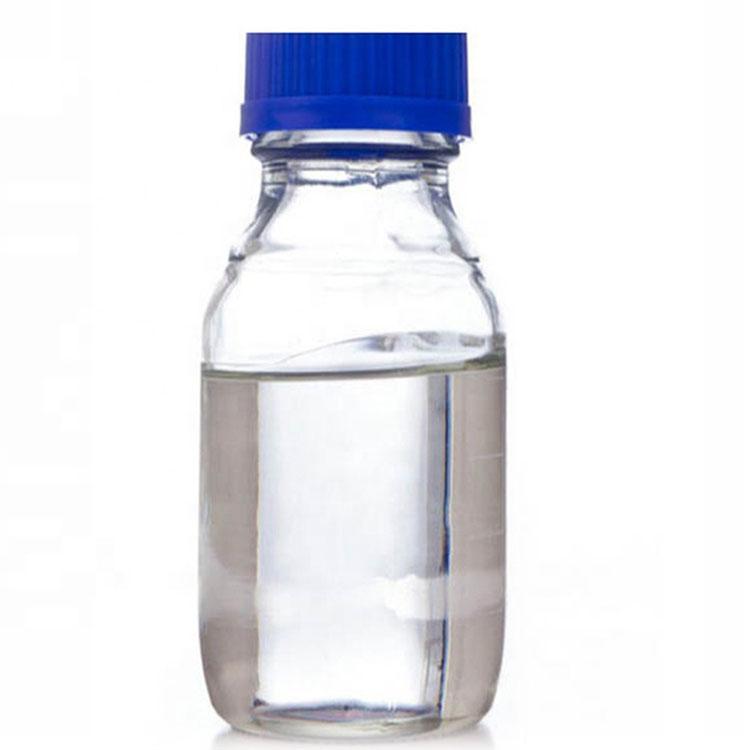
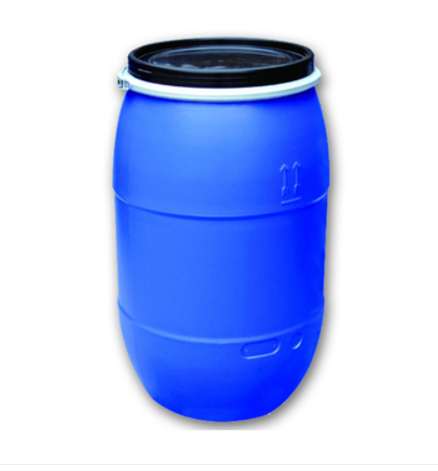
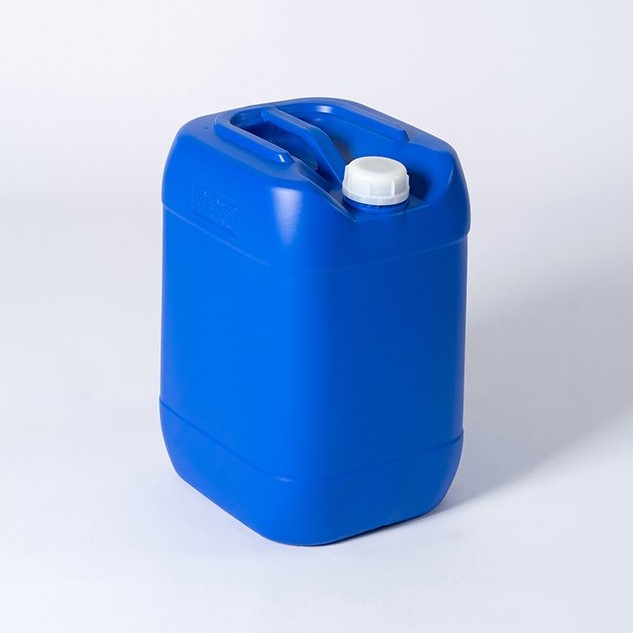
Used for intermittent pretreatment, dyeing, printing and finishing of various fiber fabrics;pH:5.0-7.0
/
Tech Grade
120kg
/
Plastic Drum
Alias
More Information
JFC
Brief Introduction
It is used in sizing, desizing, scouring, bleaching, carbonization and chlorination processes. It can also be used as penetration aid for dyeing bath and finishing bath, as well as penetrant for leather coating.
Leather industry is mainly used as soaking agent, which can significantly reduce the surface tension, promote the penetration of various materials into leather fibers, speed up the process and improve the process effect.
The penetrant JFC can also be used in various processes of leather making process to promote the infiltration of leather and related chemicals.
It has no affinity for leather fiber, can be mixed with various surfactants, and is easy to clean.
It has good emulsifying ability and can be used for leather degreasing. It is used in fur enzyme depilation and enzyme softening, and has the functions of penetration, degreasing and descaling.
Suppliers
View More Vendors (4) >
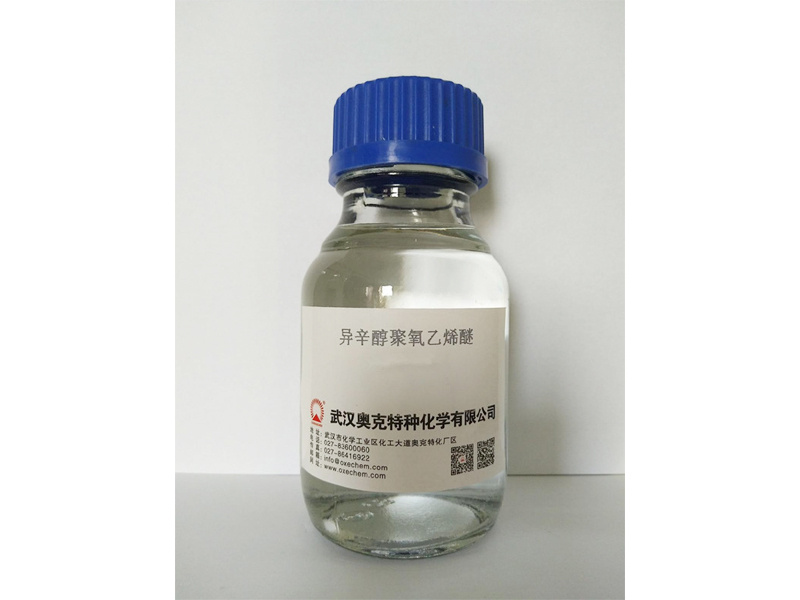
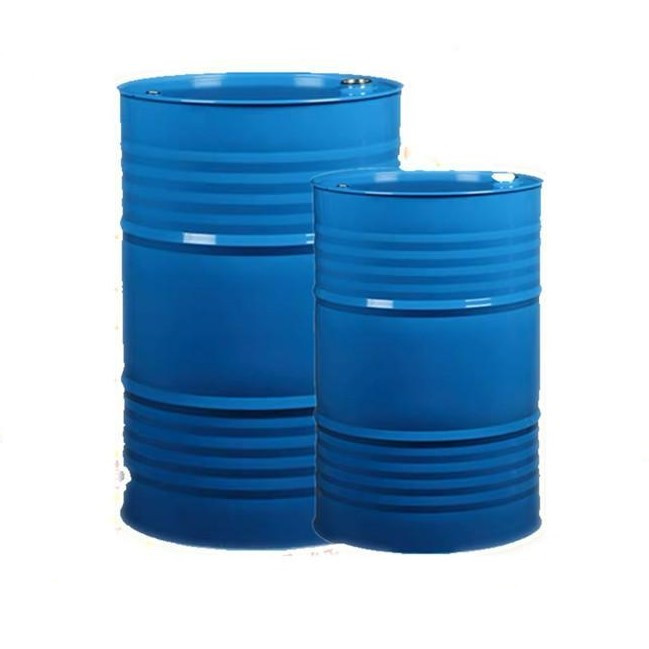
Permeability: ≤ 60 seconds (0.1% aqueous solution), ≥ 100% of standard (JFC)
/
Tech Grade
50kg
/
Plastic Drum
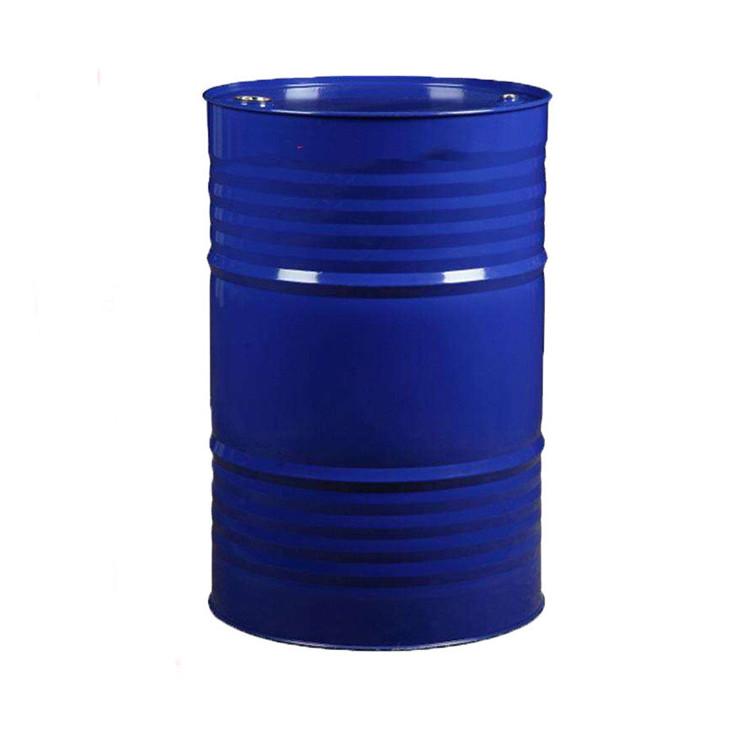
Cloud Point 40-50℃;PH 5-7;Penetration Force ≥100% of standard product
/
Tech Grade
200kg
/
Iron Drum
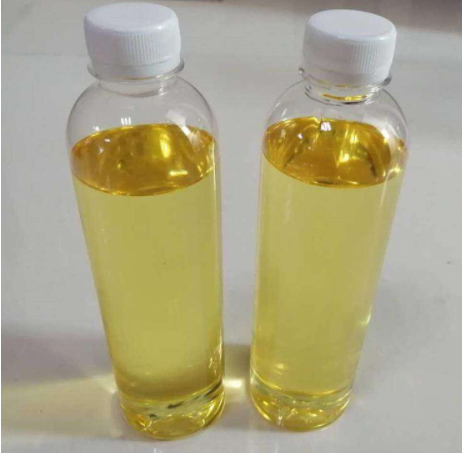
PH value: 5.0 ~ 7.0 (1% aqueous solution); Cloud point: 40 ~ 50 ℃ (1% aqueous solution)
/
Tech Grade
200kg
/
Iron Drum
CAS:68140-00-1
Molecular Formula:C14H29NO2
Alias
More Information
CMEA; Cocoamide MEA; Amides,coco,N-(2-Hydroxyethyl)-; Amides, coco, N-(Hydroxyethyl); N-(2-Hydroxyethyl)Dodecanamide; Lauramide MEA; Lauric Acid Monoethanolamide; N-Lauroylethanolamine; Laurylethanolamide; Amisol LDE; Cocamide meA
Brief Introduction
As the main component of detergent, wetting agent and emulsifier, it has antirust effect. It is an important raw material for preparing metal cleaning agent and has the function of stabilizing foam with the use of anionic surfactants. Use with soap to improve hard water resistance. It can also be used as a component of synthetic fiber oil such as polypropylene fiber.
Suppliers
View More Vendors (4) >
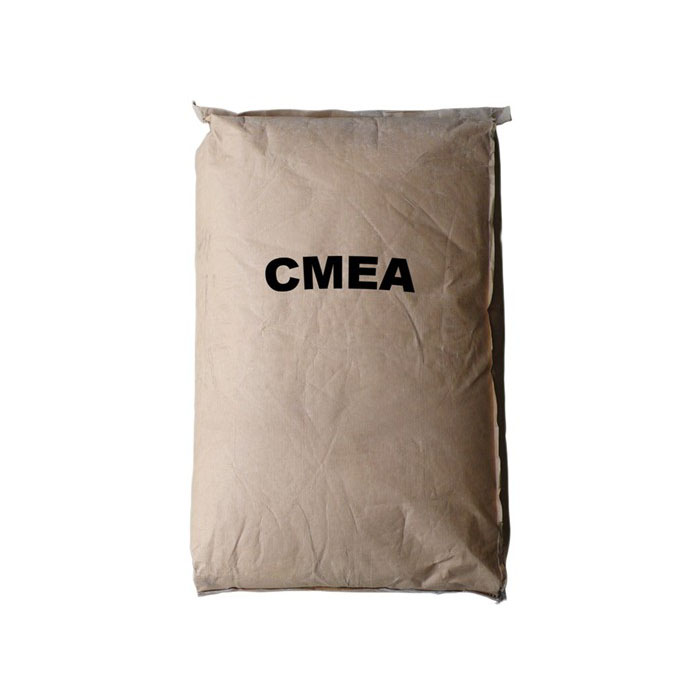
Amine value (mgKOH / g): ≤ 10
/
Tech Grade
25kg
/
Paper Bag
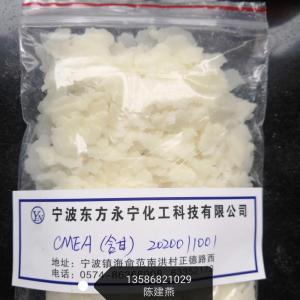
Amine content(monoethanolamine) ≤1.5%
/
Cosmetic Grade
25kg
/
Paper Bag

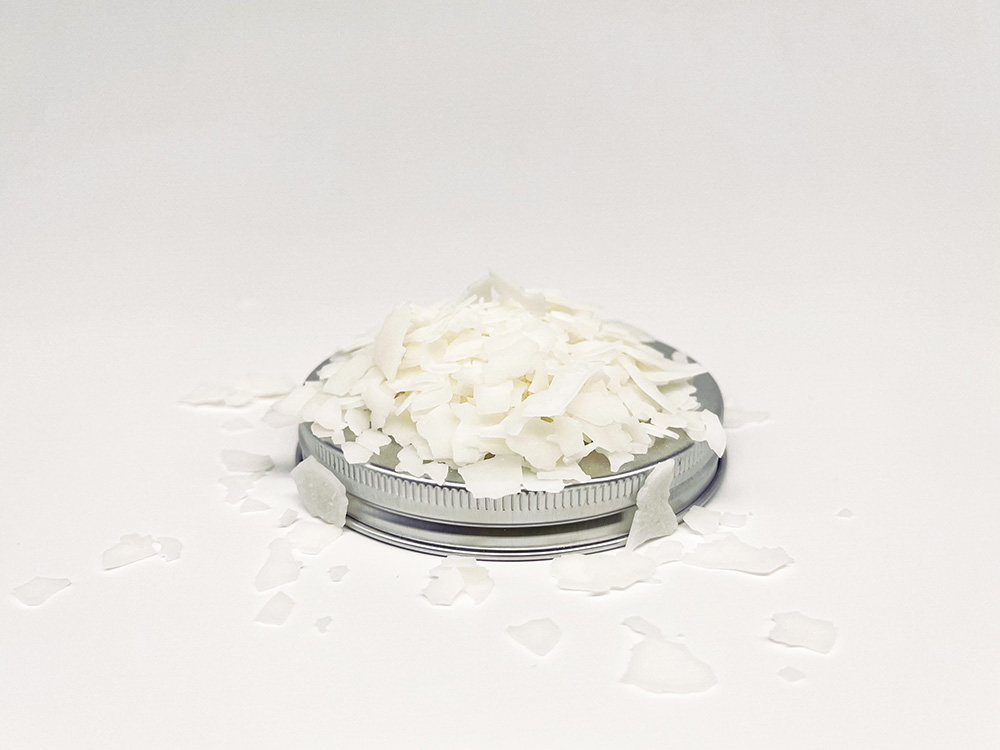
Inquiry (
10
/ 10
)
Clear All
Sign In
Error!