
Pharmaceutical Raw Materials
Veterinary API
Antiallergic Drugs
Hormones and Endocrine Drugs
Drug Metabolism
Pharmaceutical Intermediates
Synthetic Anti Infective Drugs
Specialty Drugs
Vitamins and Minerals Medicines
Feed Drug Additive
Antineoplastic Agents
Nervous System Drugs
Respiratory Drugs
Diagnostic Agents
Anti Stress Drugs
Antipyretic Analgesics
Antiparasitic Drugs
Circulatory System Drugs
Biochemicals
Blood System Drugs
Immune System Medication
Pharmaceutical Excipients
Fluid, Electrolyte, and Acid-Base Balance
Urinary System Drugs
Antibiotics
Anesthetic Agents
Inhibitors
Other Chemical Drugs
Digestive System Drugs
CAS:107-91-5
Molecular Formula:C3H4N2O
Alias
More Information
Cyanoacetic Acid Amide; 3-Nitrilo-Propionamide; Nitrilomalonamide; Acetamide, 2-Cyano-; 2-Cyano-Acetamide; Cyanacetamide; Acetamide,2-Cyano; Malonamide Nitrile; 2-Cyanoacetoamide; Cyanoacetoamide; Malonamonitrile; 2-Cyanoacetamide; CAA
Brief Introduction
It is used for synthesizing malononitrile and electroplating solution, and also for the synthesis of drugs such as methotrexate and methotrexate.
Suppliers
View More Vendors (4) >
CAS:108-73-6
Molecular Formula:C6H6O3
Alias
More Information
Benzene-1,3,5-Triol; 1,3,5-Trihydroxybenzene; 1,3,5-Benzenetriol; Phloroglucin; Phloroglucine; Spasfon-Lyoc; s-Trihydroxybenzene; 5-Hydroxyresorcinol; Benzene-s-Triol; 3,5-Dihydroxyphenol; Benzene, Trihydroxy; sym-Trihydroxybenzene; 5-Oxyresorcinol; Dilospan S; Floroglucinol; Floroglucin; 5-Oxyresorcinolphloroglucin; 1,3,5-THB; 1,3,5-Trihydroxycyclohexatriene; 1,3,5-Triol
Brief Introduction
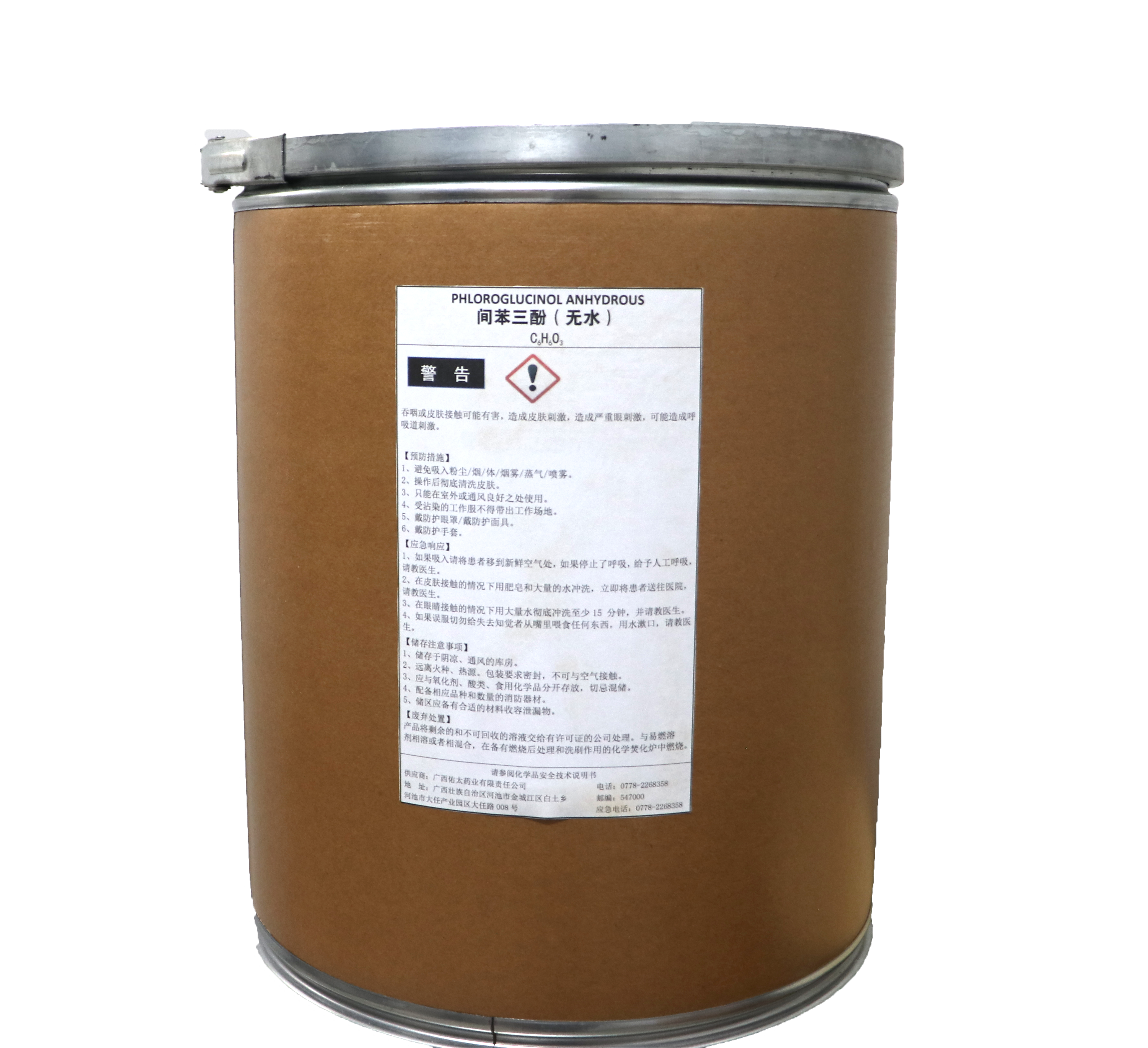
Phloroglucinol is an organic compound that is used in the synthesis of pharmaceuticals and explosives. It is a phenol derivative with antispasmodic properties that is used primarily as a laboratory reagent.
Suppliers
View More Vendors (4) >
CAS:108-90-7
Molecular Formula:C6H5Cl
Alias
More Information
Monochloro-Benzene; MCB; Chloracetic Anhydride; Acetic Acid,Chloro-,Anhydride; Chloroacetyl Anhydride; Chloro-Benzene; Monochloroacetic Acid Anhydride; Benzene Chloride; Chloroacetic Anhydride; 2-Chloroacetic Anhydride; Chloroacetic Acid Anhydride; Phenyl Chloride; Monochloroacetic Anhydride; Monochlorobenzene; _|_; Benzene Derivative
Brief Introduction
It is used as an intermediate and solvent in dyestuff, medicine, pesticide and organic synthesis.
Suppliers
View More Vendors (4) >
CAS:109-99-9
Molecular Formula:C4H8O
Alias
More Information
Tetrahydro-Furan; Furan, Tetrahydro-; THF; Oxolane; Furanidine; Tetra Hydro Furan
Brief Introduction
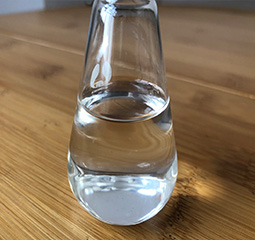
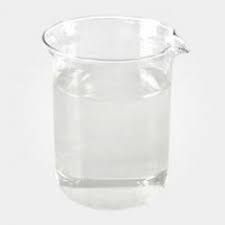
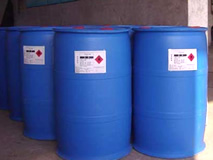
Tetrahydrofuran is a heterocyclic organic compound, which belongs to ethers. It is a completely hydrogenated product of aromatic furan. Tetrahydrofuran is one of the strongest polar ethers. It is used as a medium polar solvent in chemical reaction and extraction. It is a colorless volatile liquid at room temperature and has a smell similar to ether. Soluble in water, ethanol, ether, acetone, benzene and other organic solvents, known as "universal solvent".
Suppliers
View More Vendors (4) >
<Invalid Value>
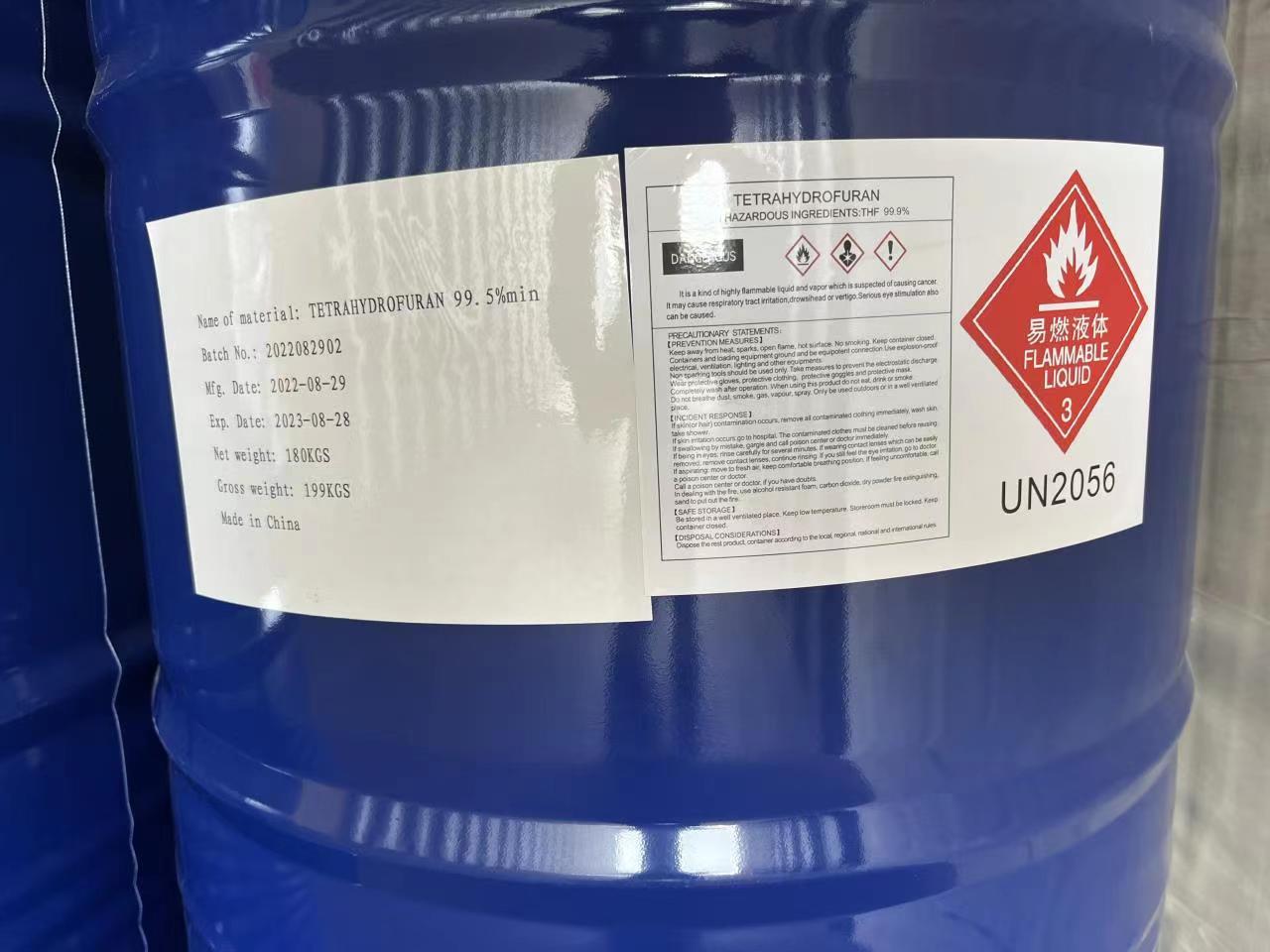
99.90%
/
-
180kg
/
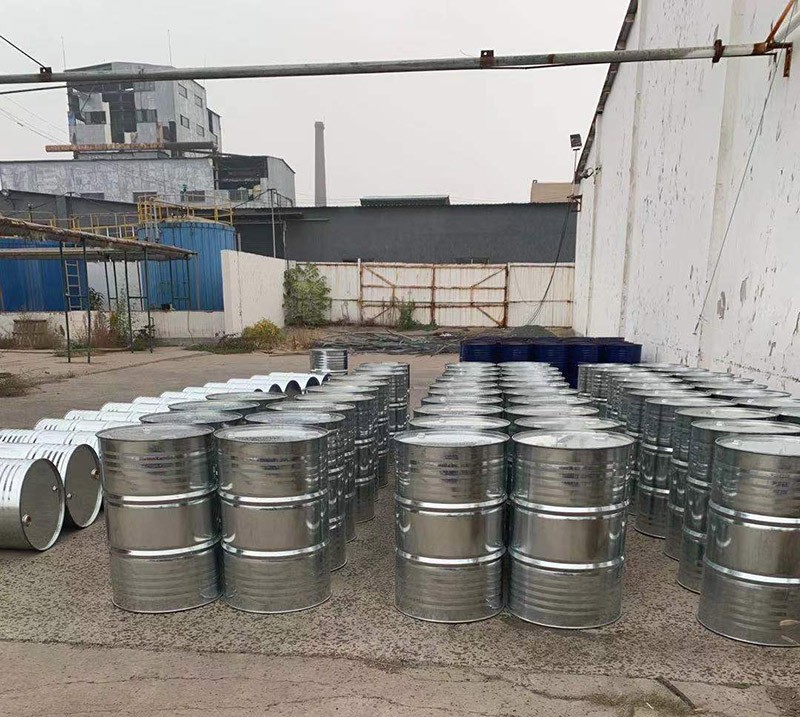
Iron Drum
苏州嘉鼎化学有限公司
99.8%
/
-
CAS:114772-53-1
Molecular Formula:C14H11N
Alias
More Information
4'-Methylbiphenyl-2-Carbonitrile; Sartandiphenyl; 4'-Methyl-2-Cyanobip; 4'-Methyl-2-Cyanobiphenyl; 4-Cyanomethylbiphenyl; 2Mppc; 4-Methyl-2'-Cyanobiphenyl; 2-Cyano-4-Methyl BI Phenyl; OTBN; Sartanbiphenyl; 2'-Cyano-4-Methyl-1,1'-Biphenyl; 2-Cyano-4-Methylbiphenyl; 2-Tolylbenzonitrile; 4-Methyl-[1,1'-Biphenyl]-2-Carbonitrile; Methyl Diphenyl; 2-Cyano-4'-Methylbiphenyl; 2-Cyano-4-Methyl Biphenyl; Ortho Tolyl Benzo Nitrile(OTBN)
Brief Introduction
It is a pharmaceutical intermediate for the synthesis of new sartan antihypertensive drugs, such as losartan, valsartan, ipsartan, irbesartan, etc.
Suppliers
View More Vendors (4) >
Inquiry (
10
/ 10
)
Clear All
Sign In
Error!