
Feed Additive
Additives For Food Packaging
Colorant
Stabilizer and Coagulator
Water Retention Agent
Feed Deworming Health Agents
Anti Corrosion and Preservation
Color Fixative
Flour Treatment Agent
Defoamer
Coating Agent
Feed Vitamins
Emulsifier
Other Food Additives
Nutritional Fortifier
Thickening Agent
Feed Quality Enhancer
Antioxidants
Chewing Gum Bases
Bulking Agent
Feed Amino Acids and Small Peptides
Flavor Enhancer
Sweeteners
Additives For Feed Preservation
Other Feed Additives
Food Additive
Bleaching Agents
Anticaking Agent
Food Flavors and Fragrances
Enzyme Preparation
Feed Trace Elements
Acidity Regulators
Feed Growth Promoters
Feed Conditioner
CAS:123-94-4
Molecular Formula:C21H42O4
Alias
More Information
Monostearin; 1-Stearoyl-Rac-Glycerol; 1-Monooctadecanoyl-Rac-Glycerol; Glycerol α-Monostearate; Stearic Acid .α.-Monoglyceride; Rac-Glycerol 1-Stearate; Dl-α-Stearin; Dl-Alpha-Stearin
Brief Introduction
Glycerol monostearate is a polyol type non-ionic surfactant. Because its structure has one lipophilic long-chain alkyl group and two hydrophilic hydroxyl groups, it has good surface activity. It can emulsify, foam, disperse, defoamer and resist starch aging. It is the most widely used emulsifier in food and cosmetics. In addition, it also has important applications in the pharmaceutical industry, such as polyunsaturated fatty acid glycerides, which can prevent cardiovascular diseases. Glycerol monostearate is also widely used in the field of polymer synthesis.
Suppliers
View More Vendors (6) >
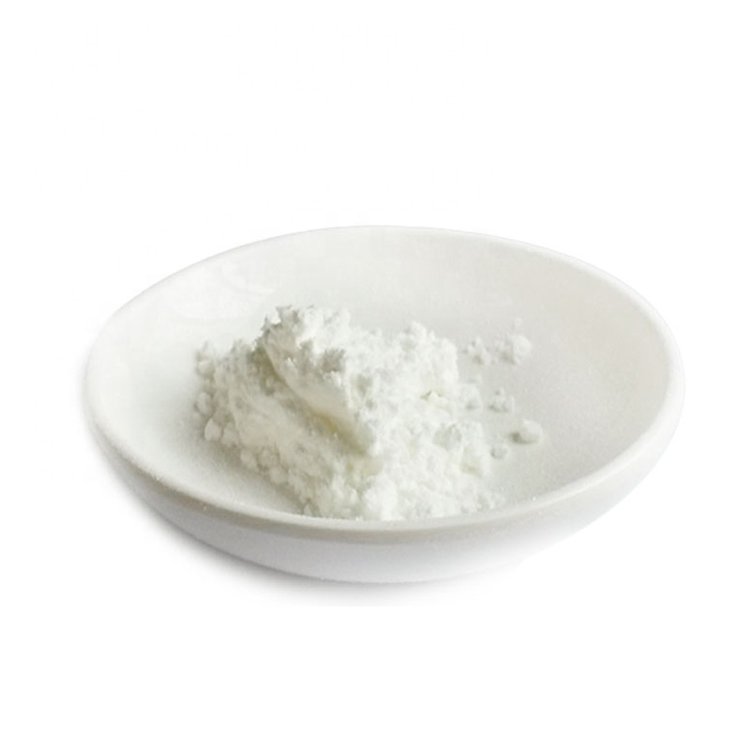

Milky white, pale yellow or yellow to light brown viscous liquid, paste, solid or powdered solid
/
Tech Grade

A viscous liquid, paste, solid, or powdery solid that is milky white, pale yellow, or yellow to light brown in color
/
-
90+
/
-
<Invalid Value>
90+
/
-
<Invalid Value>
90+
/
-
CAS:134-03-2
Molecular Formula:C6H7NaO6
Alias
More Information
L-Ascorbic Acid Sodium Salt; Sodium Ascorbate; Vitamin C Sodium; L(+)-Ascorbic acid Sodium salt; Vitamin C Sodium salt; (+)-Sodium L-Ascorbate
Brief Introduction
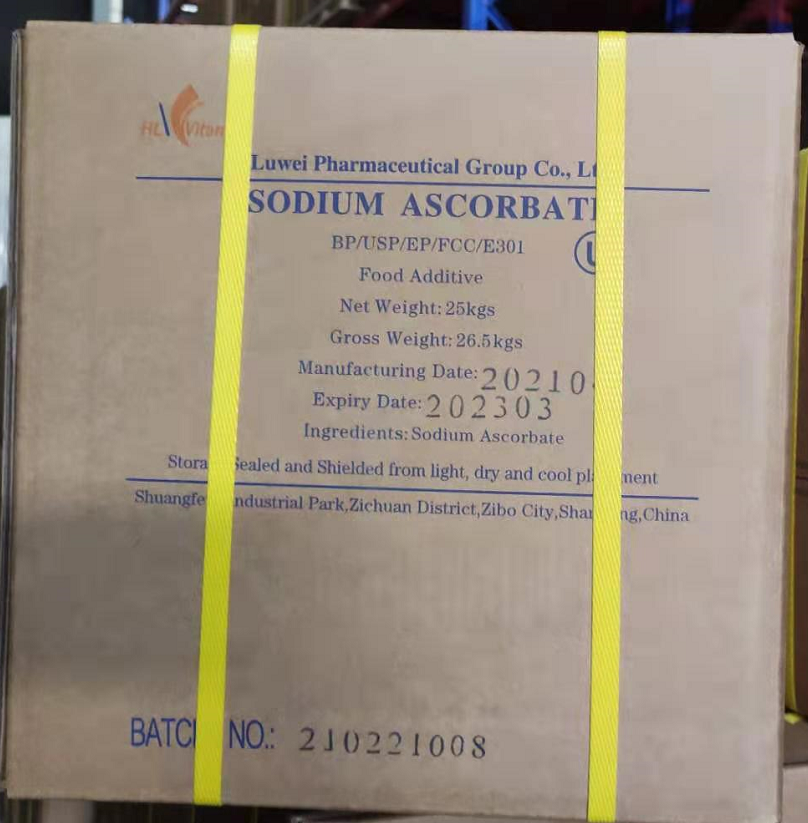
Sodium L-Ascorbate is the main intermediate product in the production of vitamin C. at the same time, sodium vitamin C is also an important food additive. It can be used as an antioxidant to prevent the discoloration and flavor deterioration of food and beverage. It is widely used in the preservation and fixation of ham, sausage and cake, as well as the anti mildew of moon cake. It is also used in cosmetics for anti wrinkle, anti-aging and whitening, It has the dual functions of supplementing VC and enhancing the absorption of calcium, with stable performance.
Suppliers
View More Vendors (6) >
Northeast Pharmaceutical Group Co.,Ltd.
USP/BP
/
Food Grade
25kg
/
Fibre Drum
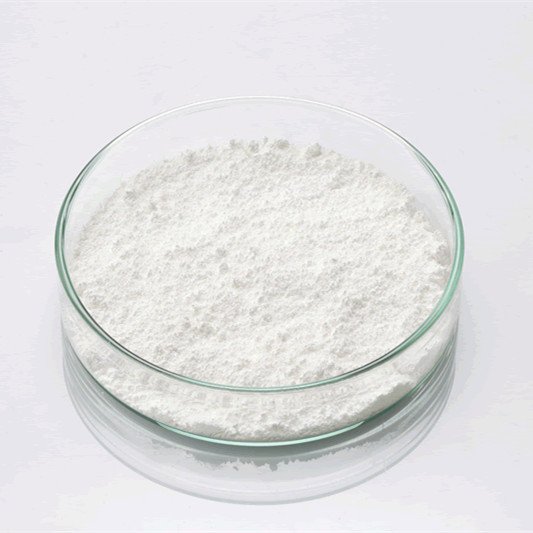
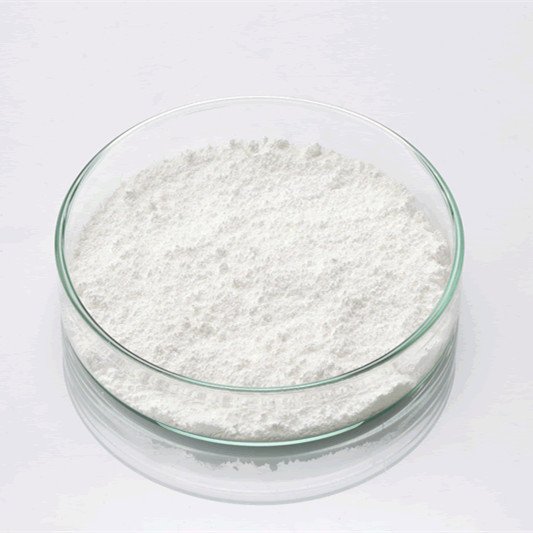
CAS:135-19-3
Molecular Formula:C10H8O
Alias
More Information
Isonaphthol; 2-Naphthalenol; Naphtol; Naphtol red; Naphthalen-2-Ol; 2-Hydroxynaphthalene; BETA Naphthol IN China; BETA Naphthol; BETA-Naphthol; beta Naphthnol; Beta Naphthol 135-19-3; _|_; Dye Intermediate
Brief Introduction
2-naphthol is a naphthol carrying a hydroxy group at position 2. It has a role as an antinematodal drug, a genotoxin, a human xenobiotic metabolite and a mouse metabolite.
Suppliers
View More Vendors (6) >
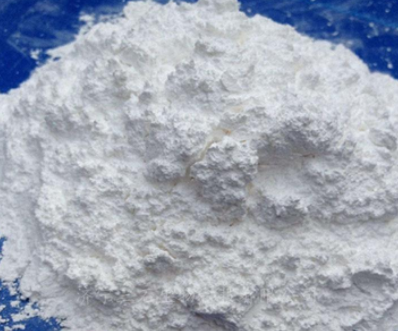
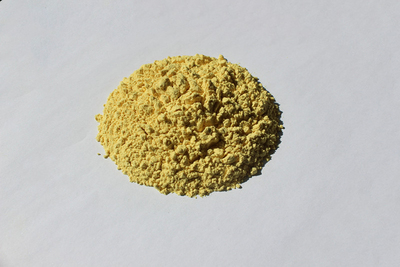
Shandong Century Sunshine Technology Co.,Ltd.
≥99.1%
/
-
25kg
/
Woven Bag
CAS:137-08-6
Molecular Formula:C18H32CaN2O10
Alias
More Information
Vitamin B5; (R)-(+)-N-(2,4-Dihydroxy-3,3-Dimethyl-1-Oxobutyl)-β-Alanine Calcium Salt; D-Pantothenic Acid Calcium Salt; Dl-Calcium; Calcium Pantothenate; D-Calcium Pantothenate; Dl-Calcium Pantothenate; Calcium (R)-3-(2,4-Dihydroxy-3,3-Dimethylbutanamido)Propanoate; (+)-Pantothenic Acid Calcium Salt; Pantothenic Acid Calcium Salt; (R)-(+)-N-(2,4-Dihydroxy-3,3-Dimethyl-1-Oxobutyl)-Beta-Alanine Hemicalcium Salt; Vitamin B5 D-Calcium Pantothenate
Brief Introduction
Calcium Pantothenate is the calcium salt of the water-soluble vitamin B5, ubiquitously found in plants and animal tissues with antioxidant property. Pentothenate is a component of coenzyme A (CoA) and a part of the vitamin B2 complex. Vitamin B5 is a growth factor and is essential for various metabolic functions, including the metabolism of carbohydrates, proteins, and fatty acids. This vitamin is also involved in the synthesis of cholesterol, lipids,
neurotransmitters, steroid hormones, and hemoglobin.
Calcium d-pantothenate, also known as vitamin B5, is a component of coenzyme A and is widely used in medicine, food and feed industries.
Suppliers
View More Vendors (6) >



CAS:149-32-6
Molecular Formula:C4H10O4
Alias
More Information
2,3,4-Butanetetrol,(R*,S*)-1; 3,4-Butanetetrol,(Theta,S)-2; Antierythrite; Butanetetrol; Erythrit; Erythritol, Meso-; 1,2,3,4-Butanetetrol
Brief Introduction
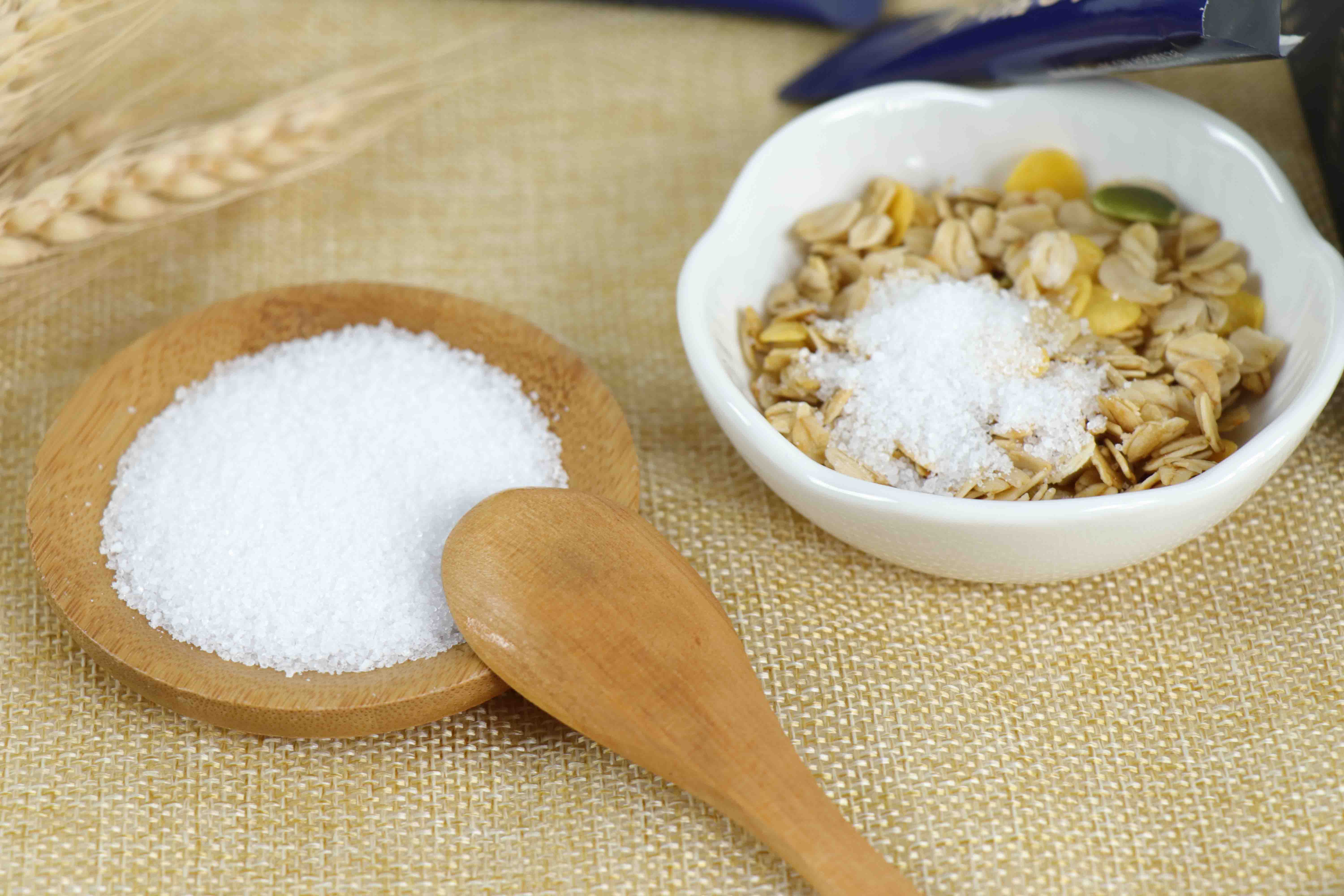
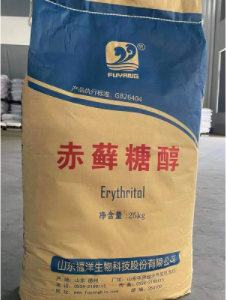
This product is a low heat sweetener; Diluent for high sweetness sweeteners. It can be used for chocolate, baked goods, candy, table sugar, soft drinks, etc. the maximum usage is 3%. It can be used as sweetener; Moisturizer; Fragrance enhancer; Tissue modifier; Molding AIDS.
Suppliers
View More Vendors (6) >



Inquiry (
10
/ 10
)
Clear All
Sign In
Error!