
Feed Additive
Additives For Food Packaging
Colorant
Stabilizer and Coagulator
Water Retention Agent
Feed Deworming Health Agents
Anti Corrosion and Preservation
Color Fixative
Flour Treatment Agent
Defoamer
Coating Agent
Feed Vitamins
Emulsifier
Other Food Additives
Nutritional Fortifier
Thickening Agent
Feed Quality Enhancer
Antioxidants
Chewing Gum Bases
Bulking Agent
Feed Amino Acids and Small Peptides
Flavor Enhancer
Sweeteners
Additives For Feed Preservation
Other Feed Additives
Food Additive
Bleaching Agents
Anticaking Agent
Food Flavors and Fragrances
Enzyme Preparation
Feed Trace Elements
Acidity Regulators
Feed Growth Promoters
Feed Conditioner
CAS:149-91-7
Molecular Formula:C7H6O5
Alias
More Information
3,4,5-Trihydroxybenzoic acid; 3,4,5-Trioxybenzoic Acid; Gallic acid Anhydrous; Gallic; 3,4,5-Trihydroxybenzenoic Acid; Kyselinagallova; Gallussaure; Benzoic acid, 3,4,5-Trihydroxy-; Graphitic acid; Graphite Oxide; Galloyl Alcohol
Brief Introduction
Gallic acid has many uses in pharmacy, ink, dye, food, light industry and organic synthesis. Gallic acid and ferric ion form blue black precipitate, which is the raw material of blue black ink; It is also used in leather industry; It can also be used as photographic developer. Propyl gallate as antioxidant can be used in edible oil to prevent odor deterioration. In medicine, gallic acid is a hemostatic astringent and a local stimulant of mild chemical book. Application: it has antibacterial effect and can treat bacillary dysentery. It has the functions of astringency, hemostasis and antidiarrhea. It can be used as preservative. It can prepare pyrogallic acid, medicine, ink, mordant dye and explosion-proof agent. It is also used as a developer and analytical reagent for the detection of free inorganic acids, dihydroxyacetone, alkaloids and metals. It can be used as preservative, medium dye and explosion-proof agent.
Suppliers
View More Vendors (6) >
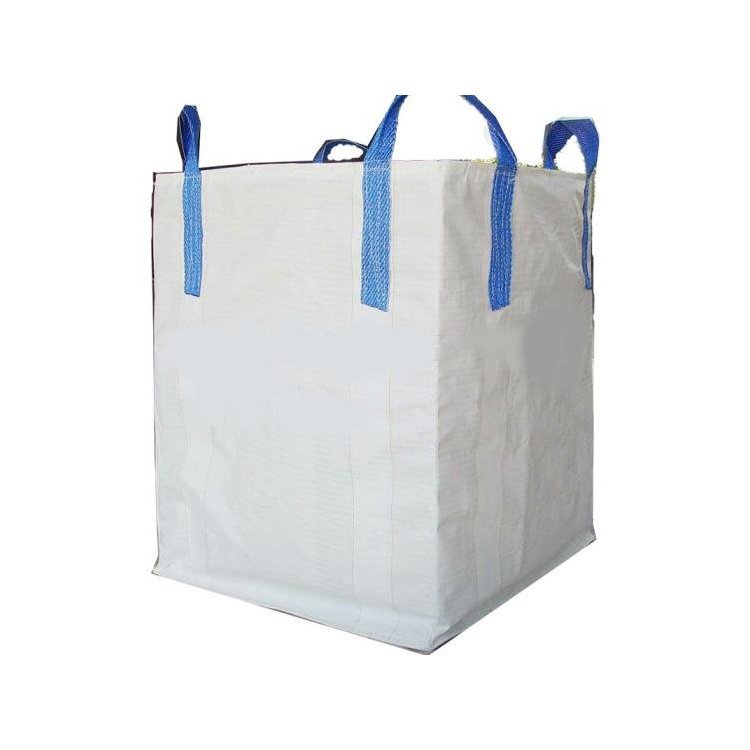
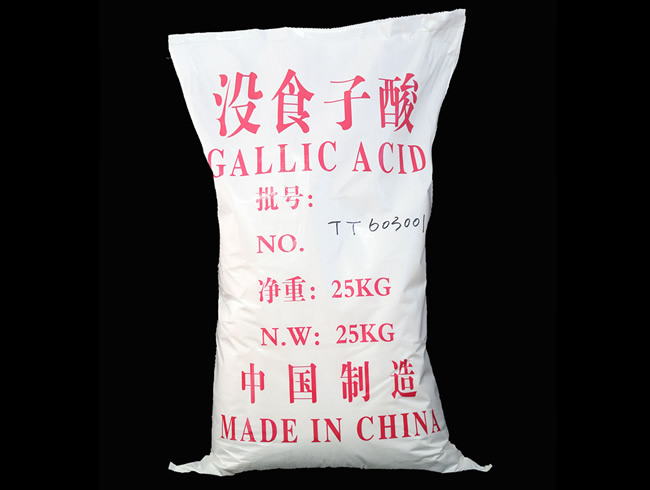
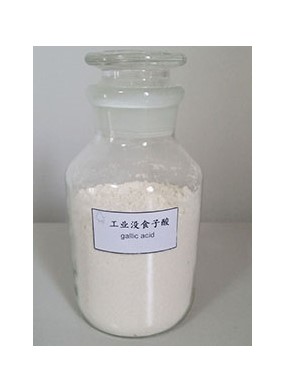
广州顺彤医药科技有限公司
Ferment
/
-
CAS:3081-61-6
Molecular Formula:C7H14N2O3
Alias
More Information
Theanine,L; L-Glutamic Acid γ-(Ethylamide); N-γ-Ethyl-L-Glutamine; L-Theamine; Suntheanine; (S)-2-Amino-5-(Ethylamino)-5-Oxopentanoic Acid; Theanine; N'-Ethyl-L-Glutamine; N(5)-Ethyl-L-Glutamine; L-γ-Glutamylethylamide; L-Theanine In Stock Gmp Factory; H-Glu(Nhet)-Oh; L-Glutamic Acid Gamma-(Ethylamide); (S)-2-Amino-4-(N-Ethylcarbamoyl)Butanoic Acid
Brief Introduction
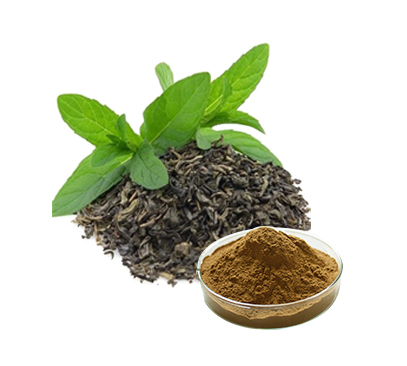
Theanine is a characteristic amino acid in tea, which is synthesized by glutamic acid and ethylamine under the action of theanine synthetase in the root of tea plant. It is an important substance to form the taste of tea, which is mainly manifested as fresh and sweet, and is the main component of tea. 26 kinds of amino acids (6 kinds of non protein amino acids) were identified in tea, which generally accounted for 1% ~ 5% of the dry weight of tea, and theanine accounted for more than 50% of the total free amino acids in tea. As the most abundant characteristic non protein amino acid in tea, theanine is safe, non-toxic and has many biological activities, such as antioxidation, immune regulation, anti-aging, antagonizing cell excitotoxicity caused by excessive glutamate. At the same time, L-theanine, as an alkyl amine, can be activated γ- T immune cells promote cell proliferation and cytokine secretion, enhance the ability to resist tumor cells, reduce the infection of external microorganisms, and reduce the risk of cold and influenza.
Suppliers
View More Vendors (6) >
CAS:50-14-6
Molecular Formula:C28H44O
Alias
More Information
Calciferol,Ercalciol,Ergocalciferol; Daral; Infron; Ergocalciferol; Ertron
Brief Introduction
Indications: large dose is also used for skin tuberculosis, skin and mucous membrane lupus erythematosus, etc. Vitamin D3 can regulate cell growth, including inducing normal cell differentiation and inhibiting cell proliferation.
Suppliers
View More Vendors (6) >
CAS:52-89-1
Molecular Formula:C3H8ClNO2S
Alias
More Information
(R)-2-Amino-3-Mercaptopropanoic Acid Hydrochloride; L-Cysteine, Hydrochloride; L-Cysteine HCL; L-Cysteine Hydrochloride Anhydrous; Cysteine HCL
Brief Introduction
Cysteine is one of 20 kinds of natural amino acids. It is a non essential amino acid with sulfur (like methionine). Methionine and serine can be synthesized in animals. It can alleviate and repair the damage of radiation to human body. It has a wide range of detoxification in the human body, and is the treatment of acrylonitrile and aromatic acidosis. It is helpful to abstain from alcohol addiction and is necessary for the brain and liver; It is necessary for the regeneration of liver cells.
Suppliers
View More Vendors (6) >
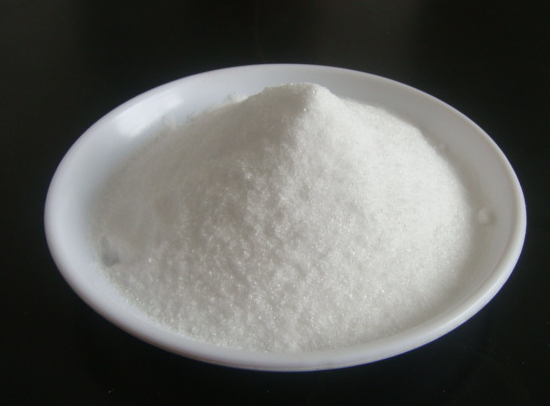
CAS:52-90-4
Molecular Formula:C3H7NO2S
Alias
More Information
L-Cys; (R)-2-Amino-3-Mercaptopropionic Acid; FEMA 3263; CYS; Thioserine; Cystein; Cysteine; 3-Mercapto-L-Alanin; Alpha-Amino-Beta-Mercaptopropionicacid; Alpha-Amino-Beta-Thiolpropionic Acid; Half-Cysteine; l-Cysteine Price
Brief Introduction
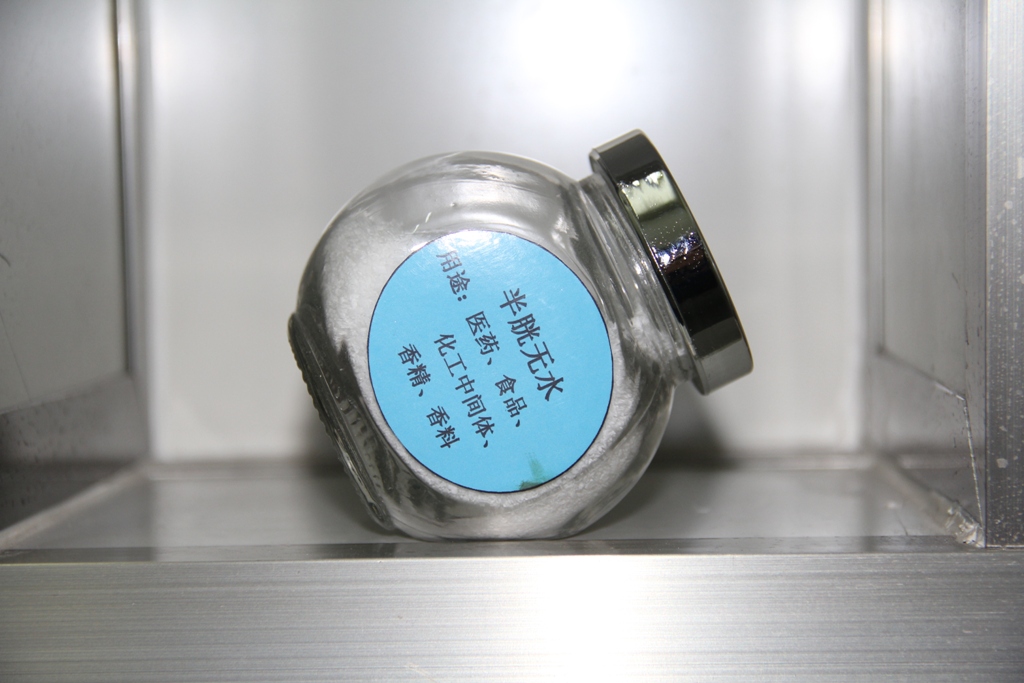
L-Cysteine is a kind of nonessential amino acid, which exists in keratin. Keratin is the main protein of nails, toenails, skin and hair. The relationship between L-cysteine and cystine is very close. Two molecules of L-cysteine form one molecule of cystine. L-Cysteine is more unstable. It is easy to become cystine which can also be reduced to L-cysteine. Both of them are sulfur-containing amino acids, which have effects on skin formation and detoxification. L-Cysteine is mainly used in cosmetics, medicine and food. In cosmetics, it is used to prepare perm, sunscreen, hair perfume and hair essence. In the field of medicine, it is used to prepare methyl cysteine, ethyl cysteine, acetylcysteine, methyl cysteine, ethyl cysteine and comprehensive amino acid preparations. L-Cysteine can also be used as a protective drug against radiation injury. In food, L-cysteine is used as bread fermentation auxiliary (ripening agent), antioxidant stabilizer for milk powder and fruit juice, and nutrient for pet animal food.
Suppliers
View More Vendors (6) >
Inquiry (
10
/ 10
)
Clear All
Sign In
Error!