
Feed Additive
Additives For Food Packaging
Colorant
Stabilizer and Coagulator
Water Retention Agent
Feed Deworming Health Agents
Anti Corrosion and Preservation
Color Fixative
Flour Treatment Agent
Defoamer
Coating Agent
Feed Vitamins
Emulsifier
Other Food Additives
Nutritional Fortifier
Thickening Agent
Feed Quality Enhancer
Antioxidants
Chewing Gum Bases
Bulking Agent
Feed Amino Acids and Small Peptides
Flavor Enhancer
Sweeteners
Additives For Feed Preservation
Other Feed Additives
Food Additive
Bleaching Agents
Anticaking Agent
Food Flavors and Fragrances
Enzyme Preparation
Feed Trace Elements
Acidity Regulators
Feed Growth Promoters
Feed Conditioner
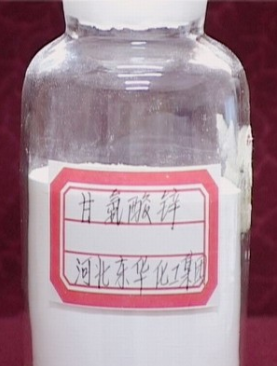
CAS:14281-83-5
Molecular Formula:C4H8N2O4Zn
Alias
More Information
Zinc Glycinate Monohydrate; Zinc Glycinate; Zinc;2-Aminoacetate; Glycine Zinc Salt
Brief Introduction
Glycine zinc overcomes the disadvantages of low bioavailability of the second generation food nutritional fortifiers such as zinc lactate and zinc gluconate. With its unique molecular structure, it organically combines the necessary amino acids and trace elements, which is in line with the mechanism and characteristics of human absorption. It is a zinc supplement with good effect.
Suppliers
View More Vendors (3) >
CAS:144-68-3
Molecular Formula:C40H56O2
Alias
More Information
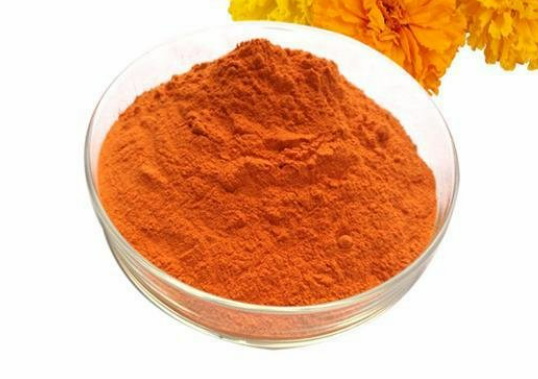
All-Trans-Zeaxanthin; Zeaxanthol; Zeaxanthine; Cryptoxanthin; Synthetic Zeaxanthin; Xanthophyll 3; (1R)-4-[(1E,3E,5E,7E,9E,11E,13E,15E,17E)-18-[(4R)-4-Hydroxy-2,6,6-Trimethylcyclohexen-1-Yl]-3,7,12,16-Tetramethyloctadeca-1,3,5,7,9,11,13,15,17-Nonaenyl]-3,5,5-Trimethylcyclohex-3-En-1-Ol; β,β-Carotene-3,3'-Diol, (3R,3'R)-; All-Trans-B-Carotene-3,3Diol; .Beta.,.Beta.-Carotene-3,3-Diol, (3R,3R)-
Brief Introduction
This product is obtained from natural plants through refining and purification. Zeaxanthin is a strong antioxidant. It can also protect tissues and cells by quenching singlet oxygen and scavenging free radicals, so as to protect biological systems from potential harmful effects caused by excessive oxidation reaction.
Suppliers
View More Vendors (3) >
Enterprise standard; 99%
/
Tech Grade
25kg
/
Fibre Drum

Water soluble CWS Beadlets: 5%
/
Food Grade
25kg
/
Fibre Drum
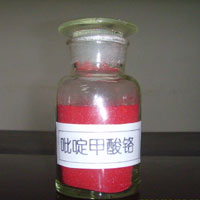
CAS:14639-25-9
Molecular Formula:C18H12CrN3O6
Alias
More Information
Chromium(Iii) Pyridine-2-Carboxylate; Tris(Picolinato)Chromium; Chrome Picolate; Pyridine-2-Carboxylic Acid Chromium(Iii) Salt; Picolinic Acid Chromium(Iii) Salt; Chromium, Tris(2-Pyridinecarboxylato-κN,κO)-; Tris(Picolinate)Chromium(Iii); Facial Chromium(Iii) Picolinate; Picolinic Acid Chromium; Chromium Picolinate Nf; Chromium, Tris(2-Pyridinecarboxylato-.Kappa.N1,.Kappa.O2)-
Brief Introduction
Chromium picolinate is a supplement to strengthen muscle and promote weight loss. It can increase the amount of active amp protein kinase (AMPK) in skeletal muscle cells, which is related to metabolic pathway, so as to improve energy balance and insulin function. The main effects are as follows: 1. Increase lean meat ratio, reduce fat and improve carcass quality. 2. Improve the ability of anti stress and immunity. Stress can cause the reduction of animal production. Chromium nicotinate can increase the production of animal products through anti stress effect.
Suppliers
View More Vendors (3) >

CAS:14783-68-7
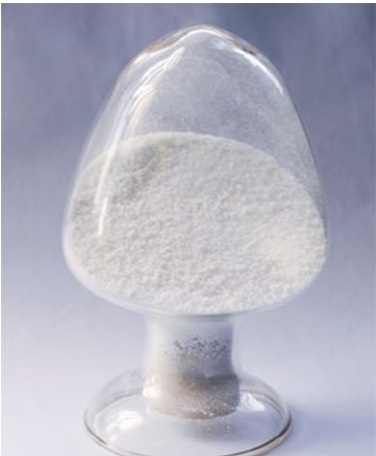
Molecular Formula:C4H8MgN2O4
Alias
More Information
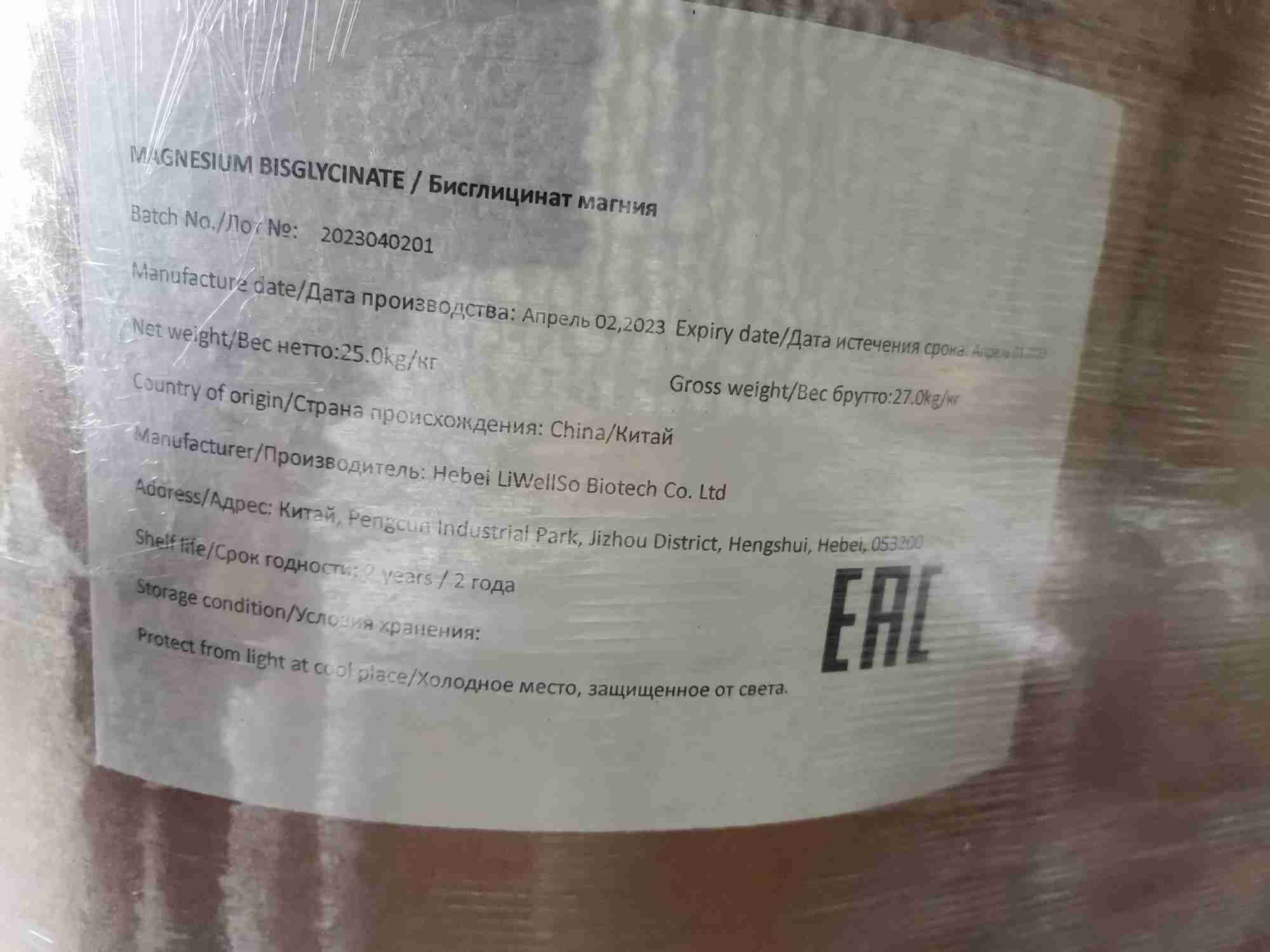
Magnesium Glycinate; Magnesio Glysinato; Magnesium Glycinate Powder
Brief Introduction
This product is a new magnesium supplement. Food or feed additives.
Suppliers
View More Vendors (3) >
Ningbo Hengxian Biotechnology Co.,Ltd.
98%
/
Food Grade
25kg
/
Iron Drum
CAS:150-90-3
Molecular Formula:C4H4Na2O4
Alias
More Information
Sodium Succinate; Succinic Acid Sodium Salt; Succinic Acid,Disodium Salt; WSA
Brief Introduction
Sodium succinate can be used as flavor enhancer, flavoring agent and buffer. It is mainly used in ham, sausage, aquatic products, seasoning liquid, sake, soy sauce, sauce, cool beverage and other food industries.
Suppliers
View More Vendors (3) >

Inquiry (
10
/ 10
)
Clear All
Sign In
Error!