
Feed Additive
Additives For Food Packaging
Colorant
Stabilizer and Coagulator
Water Retention Agent
Feed Deworming Health Agents
Anti Corrosion and Preservation
Color Fixative
Flour Treatment Agent
Defoamer
Coating Agent
Feed Vitamins
Emulsifier
Other Food Additives
Nutritional Fortifier
Thickening Agent
Feed Quality Enhancer
Antioxidants
Chewing Gum Bases
Bulking Agent
Feed Amino Acids and Small Peptides
Flavor Enhancer
Sweeteners
Additives For Feed Preservation
Other Feed Additives
Food Additive
Bleaching Agents
Anticaking Agent
Food Flavors and Fragrances
Enzyme Preparation
Feed Trace Elements
Acidity Regulators
Feed Growth Promoters
Feed Conditioner
CAS:503-74-2
Molecular Formula:C5H10O2
Alias
More Information
Butanoic Acid, 3-Methyl-; I-Butanoic Acid; Tert-Pentyl Alcohol,Isovalerate; 3-Methyl Butyric Acid; iso-Valeric acid
Brief Introduction
It is used to produce the sedative hypnotic bromoisoamyl urea. But it is more used in the production of spices (80% of the total amount of de boiling in Japan). The main isovalerate used as perfume are hexyl isovalerate, propyl isovalerate, isoamyl isovalerate, geranyl isovalerate, benzyl isovalerate and cinnamyl isovalerate. The lower isovalerates are used as food flavors, and the higher isovalerates are used in cosmetics. Isovaleric acid exists naturally in valerian oil, vanilla oil, hops oil, laurel leaf oil, spearmint oil and so on. It is a kind of edible flavor permitted by GB2760-86. It is mainly used to make cheese and cream flavors, and also to be used in fruit flavor. It is used to make medicine, spice, condiment, etc.
Suppliers
View More Vendors (2) >
CAS:506-32-1
Molecular Formula:C20H32O2
Alias
More Information
5,8,11,14-Icosatetraenoic Acid; 5,8,11,14-Eicosatetraenoic Acid; Arachidonic; 5,8,11,14-Eicosatetraenoic Acid, (All-Z)-; Eicosatetraenoic Acid; (5Z,8Z,11Z,14Z)-5,8,11,14-Icosatetraenoic Acid; (All-Z)-5,8,11,14-Eicosatetraenoic Acid; (All-Z)-5,8,11,14-Eicosatetraenoicacid; 5,8,11,14-All-Cis-Eicosatetraenoic Acid; 5,8,11,14-Eicosatetrenoic Acid; ARA
Brief Introduction
This product is a nutritional fortifier and raw material for the synthesis of prostaglandins. Regulate the permeability of human cell membrane. It is very important for the development of brain, nerve and optic nerve system of infants and young children. It also plays an important role in the treatment of coronary heart disease, diabetes and prevention of cerebrovascular diseases.
Suppliers
View More Vendors (2) >
CAS:51-35-4
Molecular Formula:C5H9NO3
Alias
More Information
(2S,4R)-4-Hydroxypyrrolidine-2-Carboxylic Acid,Hyp; L-Hydroxyproline; L-Proline, 4-Hydroxy-, Trans-; Trans-L-4-Hydroxyproline; L-Trans-4-Hydroxyproline; Rans-4-Hydroxy-L-Proline; (2S,4R)-4-Hydroxypyrrolidine-2-Carboxylic Acid; Dec-2T-En-4,6-Diin-1-Ol; Trans-Lachnophyllol; Dec-2T-Ene-4,6-Diyn-1-Ol; Trans-4-Hydroxy-L-Proline; H-Hyp-Oh (Trans); H-L-Hydroxyproline; H-L-Hyp-Oh; H-Trans-Hyp-Oh; Hydroxyproline; Hydroxy-L-Proline; Hydroxy-L-Proline, Trans-4-
Brief Introduction
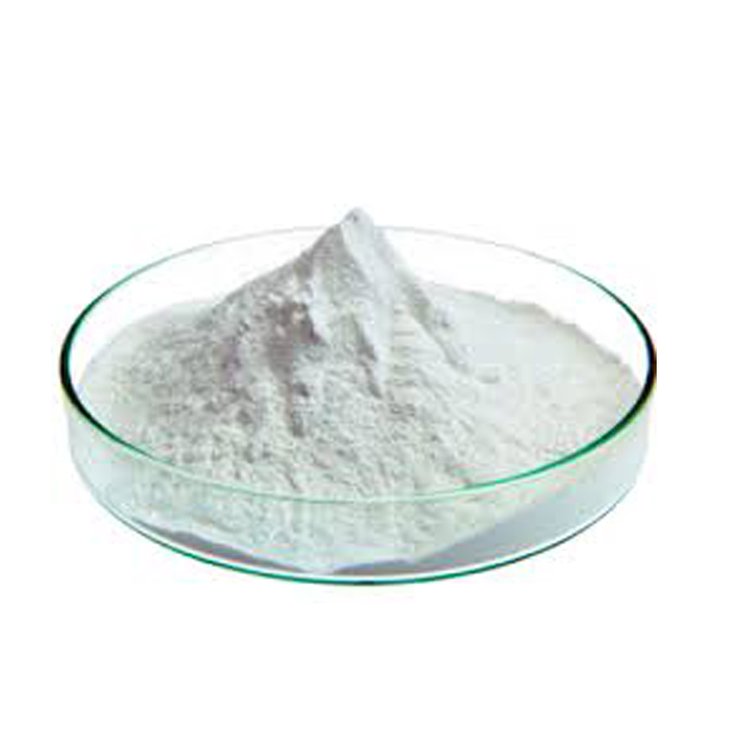
L-hydroxyproline is a common non-standard protein amino acid, as the main raw material of antiviral drug azanavir, it has high application value. L-hydroxyproline is also used as a food additive (used as a sweetener, the dosage is relatively small), and it is used as an intermediate of Peinan side chain in medicine, the dosage is relatively large.
Suppliers
View More Vendors (2) >
CAS:537-55-3
Molecular Formula:C11H13NO4
Alias
More Information
Acetyl Tyrosine; Acetyltyrosine; A-L-Tyr-Oh; Ac-Tyr-Oh; N-Ac-Tyr; Ac-Tyrosine; N-Ac-L-Tyr; L-Tyrosine, N-Acetyl-
Brief Introduction
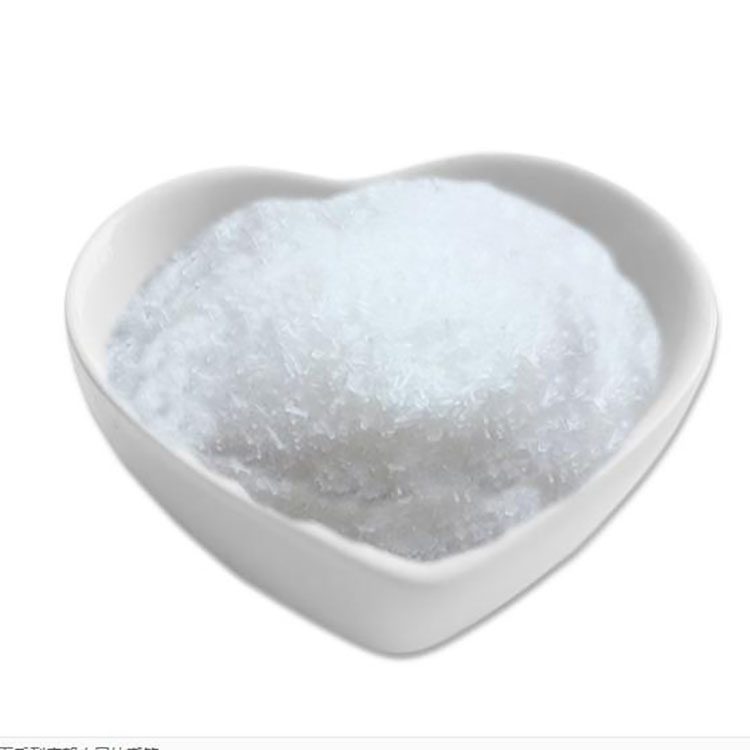
N-acetyl-l-tyrosine is the acetylated form of L-tyrosine, which is involved in the production of catecholamines.
Suppliers
View More Vendors (2) >
Alias
More Information
S-2-Propenyl 2-Propenethiosulfinate; Allisatin; Alls(O)Sall; S-Allyl Prop-2-Ene-1-Sulfinothioate; Allicin(Sh); Allantolin Allicin; Allitrid; 2-Propene-1-Sulfinothioic Acid S-2-Propenyl Ester; Allisure Liquid; S-2-Propen-1-Yl 2-Propene-1-Sulfinothioate; S-Prop-2-En-1-Yl Prop-2-Ene-1-Sulfinothioate; Allimed; 2-Propene-1-Sulfinothioic Acid, S-2-Propenyl Ester; 3-[(Prop-2-Ene-1-Sulfinyl)Sulfanyl]Prop-1-Ene; Alliosan; Allyl 2-Propenylthiosulfinate; Aricine(P); Dianyctrsnlgide; Allyl 2-Propenethiosulfinate
Brief Introduction
Allicin is an antibacterial substance, which can inhibit the growth and reproduction of dysentery bacilli, typhoid bacilli and Vibrio cholerae. It has obvious inhibition and killing effect on Staphylococcus, Streptococcus and pneumococcus, so it can reduce the incidence rate of chicken and fish. Adding a small amount of allicin to the feed of chickens, ducklings and layers can improve the survival rate of livestock chickens and ducklings and the laying rate of layers. Adding allicin to broilers and ducks can improve the feed utilization rate by 6% - 16%, improve the feed palatability, stimulate oral taste buds and increase animal feed intake. Allicin can improve the flavor of chicken and duck. For fish, allicin is mainly used for disease prevention, treatment and good food attractant. At the same time, it can also combine the added vitamin B1 with garlic thiamine to prevent the decomposition of vitamin B1 by vitamin B2 decomposition enzyme in live bait (FISH). Garlic thiamine has the same effect as vitamin B1, but its absorption is better than vitamin B1 and its physiological effect is better. Therefore, allicin can also prevent fish vitamin B1 deficiency, reduce feed coefficient and promote fish growth.
Suppliers
View More Vendors (2) >
Inquiry (
10
/ 10
)
Clear All
Sign In
Error!